
- Fairfax: 703.226.2222
- Reston: 703.391.2222
- Set Up An Appointment


How Soda Harms Your Teeth and Leads to Tooth Decay
Most people know soda isn’t exactly healthy, but its effect on your teeth is more serious than many realize. From enamel erosion to increased risk of cavities, carbonated drinks can cause a range of long-term oral health problems.
Is soda bad for your teeth? Soda is doubly harmful because it combines high acidity with sugar. The acid weakens your enamel which is the hard, protective outer layer of your teeth while the sugar feeds harmful bacteria that cause decay. Over time, this can lead to sensitivity, discoloration, and even tooth loss.
Many assume diet sodas are a safer option because they’re sugar-free. But don’t be fooled; while they may skip the sugar, they still contain acid. That means they can still wear down enamel and contribute to erosion, even without the added risk of cavities from sugar.
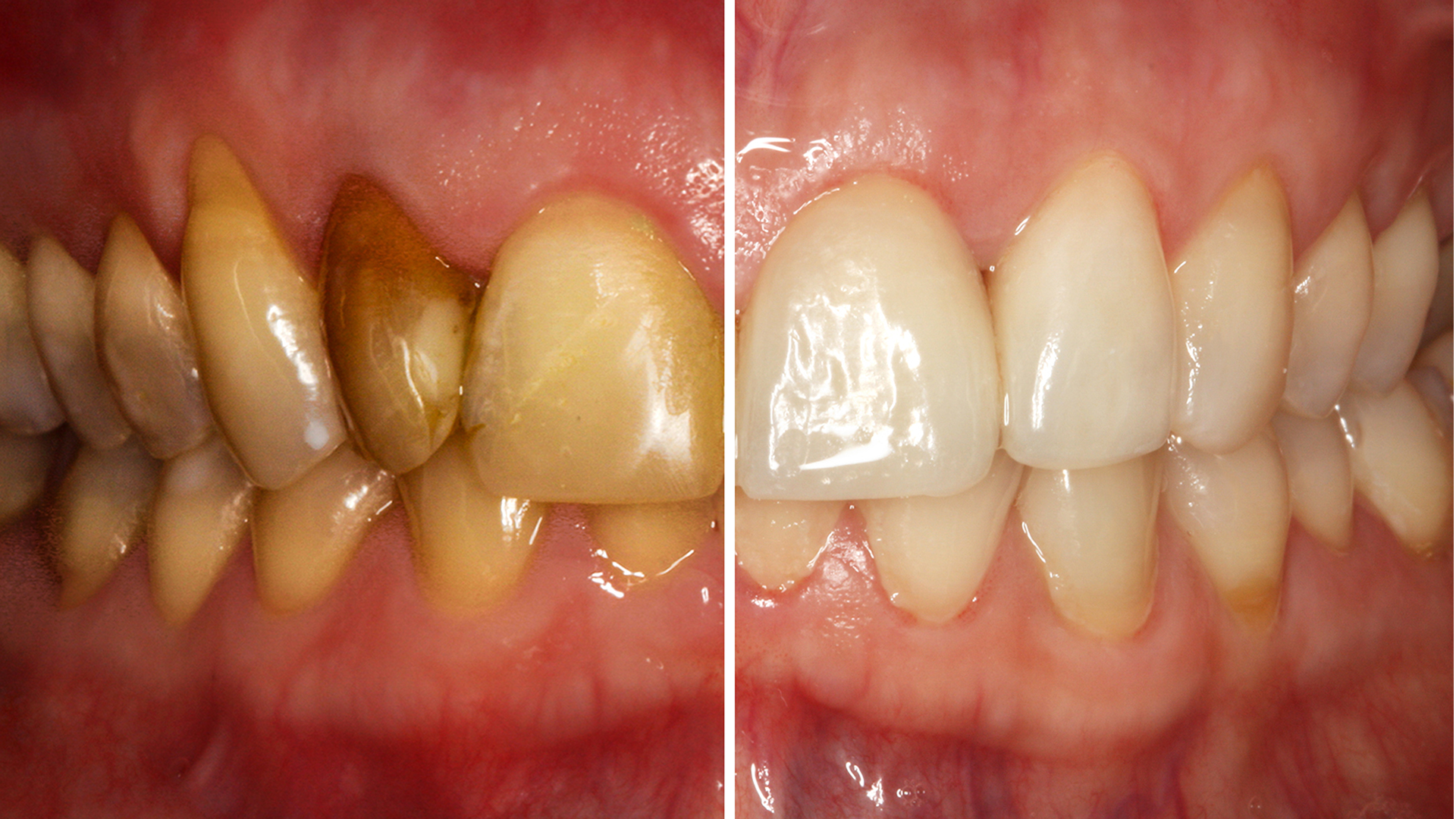
Acid and Sugar: A Double Threat to Your Smile
Soda doesn’t just pose one risk to your teeth; it brings two major offenders: acid and sugar. Each is harmful on its own, but together, they can cause serious damage over time.
Soda is highly acidic, and that acid starts attacking your enamel the moment it hits your teeth. Enamel is your teeth’s first line of defense. Once it wears away, enamel cannot regenerate. As the enamel thins, your teeth become more vulnerable to damage, sensitivity, and decay. For children with developing teeth, this damage is particularly concerning.
On top of that, soda is packed with sugar; an ideal food source for the bacteria in your mouth. These bacteria produce even more acid as they feed, creating a cycle that further breaks down enamel and leads to cavities.
When enamel is weakened or lost, the effects go beyond cavities. Teeth can become sensitive to hot and cold, appear yellowed or stained, and become more prone to chipping or cracking. Once the damage is done, it’s often permanent and costly to repair.
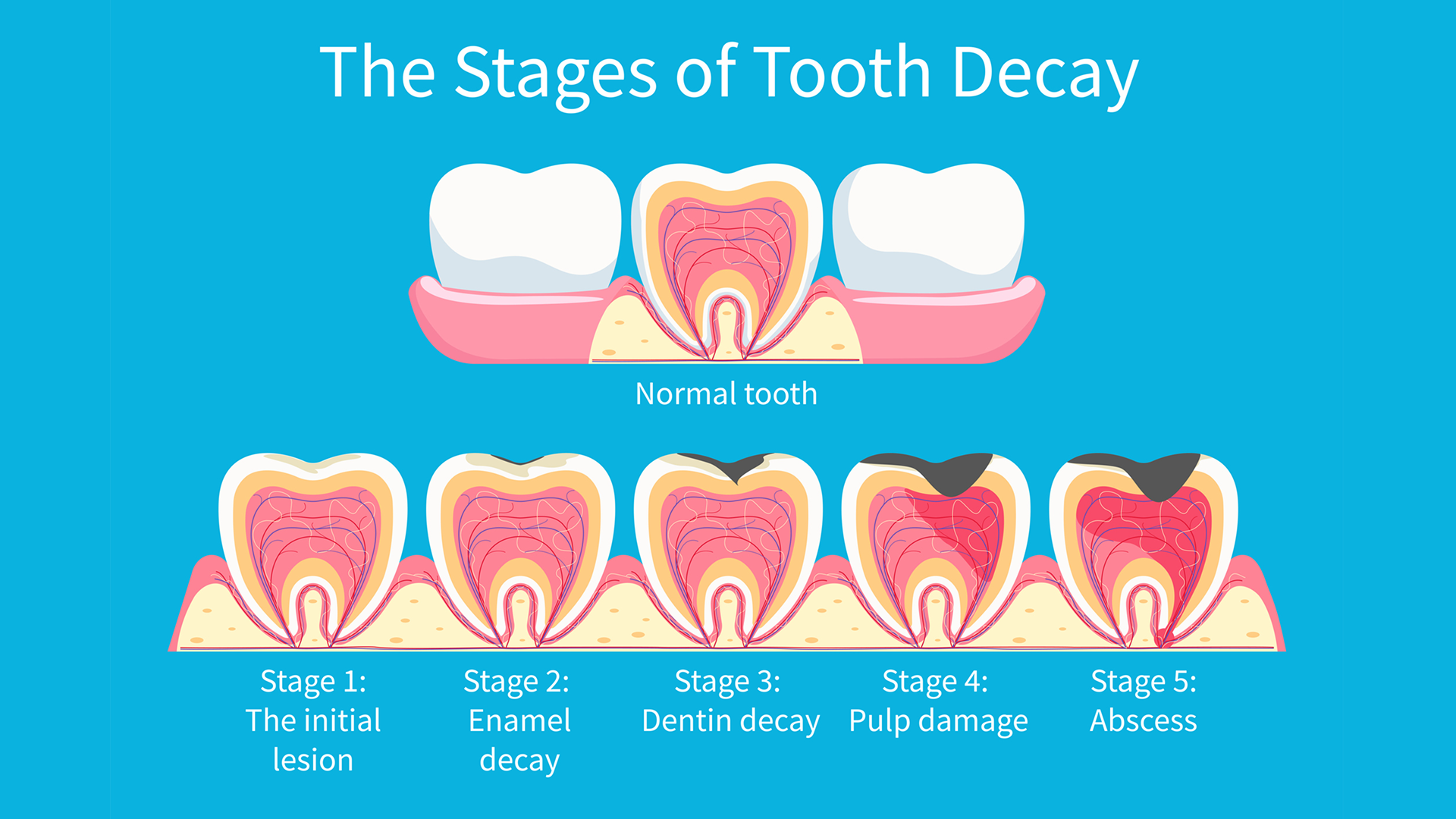
Visible and Invisible Effects of Soda on Your Teeth
The damage soda causes isn’t always obvious right away. Some effects can be seen or felt early on, while others develop gradually and go unnoticed until serious problems arise. Drinking soda can lead to immediate issues like staining, increased sensitivity, and a softening of the enamel. These changes might seem minor at first but can be early warning signs of deeper damage. Over time, regular soda consumption can contribute to tooth decay, gum inflammation, and even tooth loss. Weakened enamel makes teeth more vulnerable to cavities, while sugar and acid can irritate and inflame the gums, increasing the risk of gum disease.
Soda doesn’t only harm your teeth; it can affect the entire mouth. Acidic beverages can disrupt the natural balance of your oral environment, making it harder for your mouth to fight off bacteria. This imbalance can lead to chronic bad breath, inflamed soft tissues, and a higher risk of infections like gingivitis. Over time, even the tongue and inner cheeks can show signs of irritation or sensitivity, especially with frequent exposure.
Soda Compared to Other Beverages: What’s Truly Worse for Your Teeth?
Not all drinks affect your teeth the same way, but many popular options can still do significant harm. While soda is among the worst offenders, it’s not the only one to watch out for. When it comes to acidity and sugar, soda ranks high on the list of harmful beverages. But fruit juices and sports drinks can be just as damaging. Many fruit juices, even those labeled “100% natural,” contain high levels of natural sugars and acids. Sports drinks, often marketed as healthy, are typically acidic and sweetened, making them a hidden risk to enamel as well. In contrast, water contains no sugar, no acid, and helps rinse the mouth, supporting overall oral health.
Water doesn’t just hydrate; it also helps neutralize acids, wash away food particles, and support saliva production, your mouth’s natural defense system. Drinking water throughout the day, especially after meals or sugary drinks, is one of the simplest and most effective ways to protect your teeth.
If you do drink soda, fruit juice, or sports drinks, there are ways to reduce the damage:
- Use a straw to limit contact with teeth.
- Don’t sip over long periods; drink it in one sitting to reduce exposure time.
- Rinse your mouth with water afterward.
- Wait at least 30 minutes before brushing to avoid damaging softened enamel.
Practical Strategies to Minimize Soda’s Damage
While the best choice for your teeth is to avoid soda altogether, many people still enjoy it occasionally. Fortunately, there are ways to reduce its harmful effects. Pay attention to how and when you drink soda. Limit your intake to smaller amounts, and try to consume it during meals rather than sipping throughout the day. Using a straw can also reduce direct contact with your teeth, minimizing enamel exposure to acid and sugar.
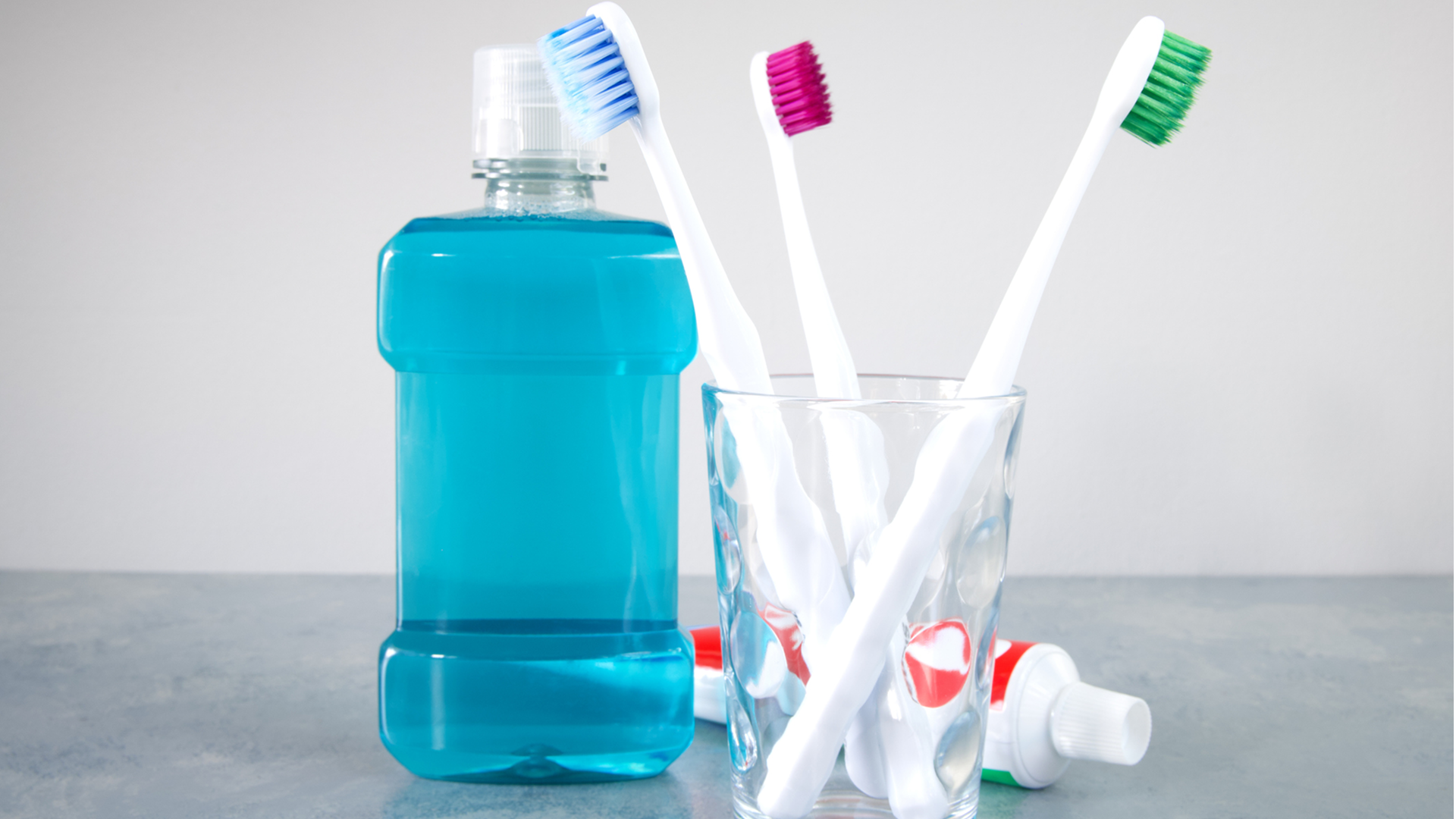
In addition to limiting soda intake, your daily oral hygiene routine plays a crucial role in defending against the damage it can cause. A consistent oral care routine is essential for protecting your teeth. Brush twice daily with fluoride toothpaste to help rebuild enamel, floss regularly to remove plaque, and consider using a fluoride mouthwash. Regular dental checkups allow for early detection and treatment of any damage.
If you want to enjoy flavorful drinks without risking your smile, consider alternatives like sparkling water with a splash of natural fruit juice, herbal teas, or infused water with fresh fruit or herbs. These options offer taste and refreshment without the high acid and sugar levels found in soda.
When Soda Damage Requires Professional Dental Care
Even with the best at-home care, soda can cause damage that requires professional attention. Knowing when to schedule a dental appointment is key to protecting your smile before problems worsen.
Watch for these warning signs: persistent tooth enamel sensitivity, visible staining or discoloration, and any pain or discomfort. These symptoms often indicate enamel erosion, decay, or other issues that need a dentist’s evaluation.
At Optimal Dental Center, we offer a range of preventive and restorative treatments tailored to combat soda-related damage. Preventive options like fluoride treatments and dental sealants can help strengthen weakened enamel and protect against decay. For more advanced cases, restorative solutions such as fillings, bonding, or crowns can repair damaged teeth and restore their function and appearance.
Early intervention not only helps save your natural teeth but can also reduce the need for more extensive and costly procedures down the line. Regular dental visits enable us to detect problems early and create a personalized treatment plan that keeps your smile healthy and strong.
If you notice any signs of soda-related damage or have concerns about your oral health, don’t wait. Schedule a consultation with our team to get expert care and guidance tailored to your needs.
Take Action Today: Safeguard Your Smile from Soda Damage
Soda may be a popular treat, but its impact on your dental health is serious. The combined effects of acid and sugar can weaken enamel, increase sensitivity, and lead to costly dental problems over time. The good news is that small changes like limiting soda intake, using a straw, and maintaining a strong oral care routine can make a significant difference in protecting your smile.
At Optimal Dental Center, we’re here to support you every step of the way. Whether you’re seeking personalized advice on reducing soda’s impact or looking for treatments to repair damage already done, our experienced team is ready to help.
Don’t wait for symptoms to appear. Schedule your checkup today and discover the full range of services designed to keep your teeth healthy, strong, and beautiful for years to come.
Are you ready to improve your smile without metal braces? Invisalign offers a modern approach to straightening teeth using clear aligners that are nearly invisible. These custom-made aligners gradually shift your teeth into their proper position without the discomfort and appearance of traditional braces. Here are a few things to know about Invisalign before you embark on the teeth straightening journey.
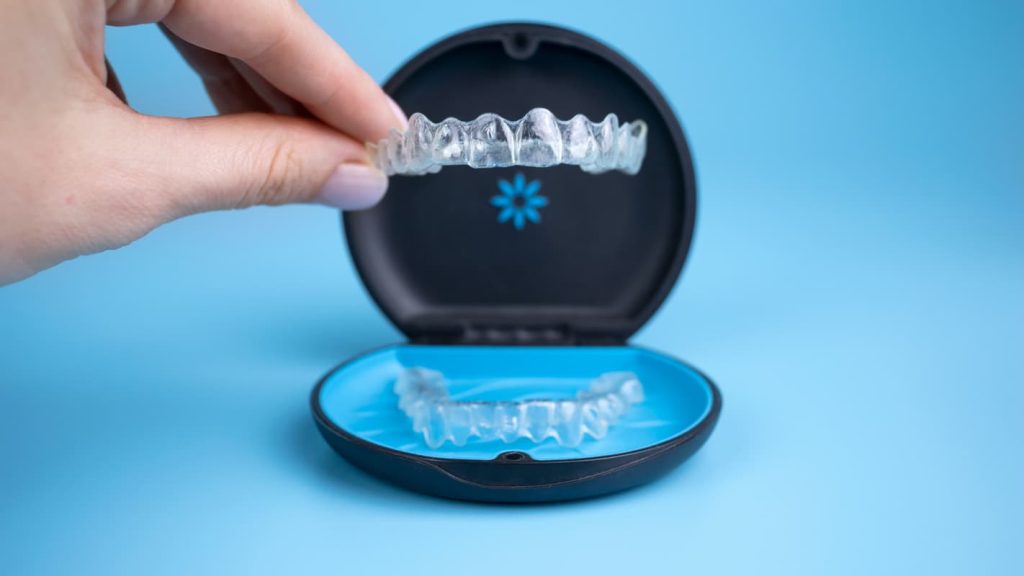
Invisalign treatment begins with digital x-rays and 3D imaging to create a precise plan for your smile transformation. This technology allows you to see your projected results before even starting treatment. Unlike metal braces, Invisalign aligners are removable, making it easier to maintain good oral health by allowing normal brushing and flossing.
The treatment process typically involves wearing each set of aligners for 1-2 weeks before moving to the next set. Most patients visit their dentist every 6-8 weeks to monitor progress and receive new aligners. While Invisalign works well for many orthodontic issues, some complex cases may still require traditional braces for optimal results.
What You Should Know About Invisalign Before Starting Treatment
Invisalign offers a modern approach to straightening teeth without the metal brackets and wires of traditional braces. Before beginning your clear aligner journey, there are several important factors to consider.
What Makes Invisalign Different
Invisalign uses a series of custom-made, clear plastic aligners to gradually shift teeth into proper position. Unlike metal braces, these removable aligners are nearly invisible, allowing patients to straighten teeth discreetly.
Patients must wear aligners for 20-22 hours daily, removing them only for eating, drinking anything besides water, and oral hygiene. This flexibility represents a major advantage over fixed braces.
Many patients don’t realize Invisalign often requires small tooth-colored “attachments” bonded to certain teeth. These help the aligners grip and move teeth more effectively.
Treatment typically takes 12-18 months, depending on case complexity. Patients switch to new aligners approximately every 1-2 weeks.
The removable nature means responsibility falls on patients. Consistent wear directly impacts results and treatment timeline.
Candidacy: Who Invisalign Works Best For
Invisalign offers an effective solution for many dental alignment issues, but not everyone is an ideal candidate for this treatment option. The right patient profile and specific dental conditions play crucial roles in treatment success.
Outline Ideal Patient Profiles
Invisalign works best for teenagers and adults with mild to moderate orthodontic problems. Ideal candidates typically have:
- Good oral health with no active gum disease
- Commitment to wearing aligners 20-22 hours daily
- Responsibility to maintain proper cleaning routines
- Moderate cases of overbite, underbite, or crossbite
- Gaps between teeth that need closing
- Mild to moderate overcrowding issues
Adults appreciate Invisalign’s discreet appearance during professional settings. Teens can benefit from special “Invisalign Teen” options with compliance indicators and replacement aligners.
Patients who follow instructions carefully generally see the best results. Those with the discipline to remove aligners only when eating and for oral hygiene tend to complete treatment on schedule.
Explain When Invisalign May Not Be The Right Option
Invisalign has limitations and isn’t suitable for everyone. Patients should consider alternative treatments when facing:
- Severe orthodontic problems requiring complex tooth movement
- Significant rotational issues or severely tipped teeth
- Major bite problems or substantial jaw misalignment
- Advanced gum disease or untreated cavities
- Missing multiple teeth or having dental bridges
- Severe open bite or extreme overcrowding
Not Recommended For:
- Young children whose teeth are still developing
- Patients unable to commit to 20+ hours of daily wear
- Those requiring vertical tooth movements
- Cases involving severe crossbite
Treatment success depends on patient compliance. Individuals who might struggle with consistently wearing aligners should consider fixed braces instead.
Encourage Professional Evaluation Over Self-Diagnosis
Only a qualified dental professional can determine if Invisalign suits your needs. During a consultation, dentists:
- Take detailed impressions or 3D scans of your teeth
- Evaluate your bite relationship and jaw alignment
- Assess tooth positioning and movement requirements
- Review your dental history and current oral health
- Discuss lifestyle factors that might impact treatment
Self-diagnosis often leads to unrealistic expectations. What appears as simple crowding might involve complex root positioning issues only visible through professional imaging.
Many dental offices offer free initial consultations. These appointments provide valuable insights without financial commitment. Remember that experienced providers can better predict outcomes based on hundreds of previous cases.
Quick Self-Assessment Quiz
Is Invisalign Right for You? Consider these questions:
- Do you have mild to moderate alignment issues?
- Gaps, slight overcrowding, and minor bite issues
- Can you commit to the treatment requirements?
- Wearing aligners 20-22 hours daily
- Removing only for eating and cleaning
- Changing aligners as scheduled
- Are your teeth and gums healthy?
- Free from active decay or periodontal disease
- Regular dental checkups are maintained
- Age considerations:
- Teens: Are all permanent teeth present?
- Adults: Any bone density concerns?
Red flags that might indicate traditional braces would work better include teeth requiring significant rotation, large gaps needing closure, or severe bite correction.
This quiz offers preliminary guidance, but professional evaluation remains essential for accurate treatment planning.
What Your First Weeks Will Really Be Like

The initial period with Invisalign involves adjustment as your mouth adapts to the aligners while you establish new oral care routines.
What Patients Can Expect In The First Few Days
Most patients notice the aligners feel snug and slightly uncomfortable when first inserted. This pressure indicates the aligners are working properly to shift teeth. The trays may feel bulky or strange in your mouth, but this sensation typically diminishes within 3-5 days.
Removing aligners proves challenging for many new users. We recommend practicing this skill in our office before leaving your appointment. A removal tool can help if you struggle with this task.
Daily routines change significantly. You’ll need to:
- Remove aligners before eating or drinking anything except water
- Brush teeth after every meal before reinserting aligners
- Clean the aligners each time they’re removed
- Wear aligners 20-22 hours daily for optimal results
Many patients report feeling more aware of their oral hygiene during treatment, which becomes a positive long-term habit.
Common Discomforts And How To Manage Them
Temporary Pain: Most patients experience mild discomfort during the first 2-4 days with new aligners. This typically feels like pressure rather than sharp pain. Over-the-counter pain relievers like acetaminophen can help manage this discomfort.
Irritated Gums or Cheeks: Aligners sometimes have edges that may irritate soft tissues. Dental wax can cover rough spots until your mouth adjusts. If irritation persists, contact our office for adjustments.
Increased Saliva: Your mouth may produce more saliva initially, which usually normalizes within a week.
Hunger Changes: Some patients report reduced snacking due to the inconvenience of removing aligners, which can be an unexpected benefit for some.
Treatment discomfort decreases significantly after the first week and with each new set of aligners as patients adapt to the process.
Speech Changes And How Long They Typically Last
A slight lisp is common when first wearing Invisalign aligners. This occurs because your tongue must adapt to speaking with the trays in place. Most patients report their speech returns to normal within 3-7 days as their tongue adjusts to the aligners’ presence.
Certain sounds like “s” and “th” may be more challenging initially. Practice helps significantly—try reading aloud for 5-10 minutes daily to speed adjustment.
Important points about speech changes:
- They’re temporary and resolve with practice
- Most noticeable to you rather than others
- Improve dramatically after the first week
- Virtually disappear by the second week for most patients
Some patients find their speech clearest when aligners are firmly seated, so ensure they’re properly in place before important conversations or presentations.
Daily Life With Invisalign
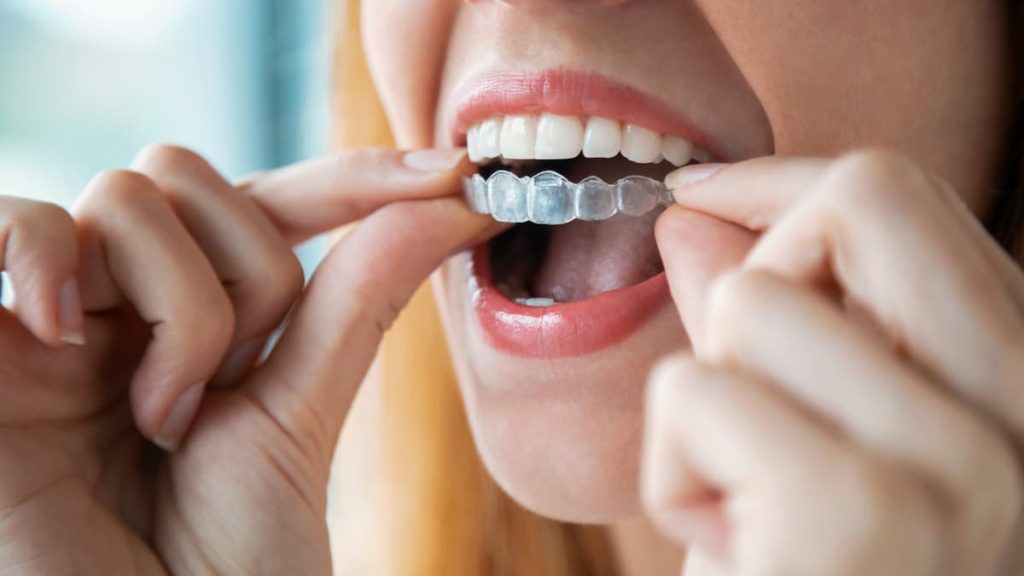
Living with Invisalign means adapting to new routines that become second nature over time. The clear aligners offer flexibility while requiring certain habits for successful treatment.
Wear-Time Requirements
Invisalign aligners must be worn 20-22 hours daily for optimal results. This leaves only 2-4 hours for eating, drinking, and oral hygiene.
Many patients find it helpful to set timer reminders on their smartphones when aligners are removed. This prevents accidentally leaving them out too long.
Your treatment timeline depends directly on consistent wear. Skipping even a few hours can delay progress significantly.
The aligners should only be removed for:
- Eating meals
- Drinking anything except plain water
- Brushing and flossing
- Special occasions (briefly)
Most patients adjust to this schedule within the first week of treatment.
How Invisalign Affects Eating, Drinking, And Social Situations
Invisalign creates fewer dietary restrictions than traditional braces. Since aligners are removed for eating, you can enjoy most foods without worry.
Always remove aligners before consuming anything except plain water. Hot beverages can warp the plastic, while colored drinks may stain them permanently.
Social situations become easier to navigate with some planning:
- For short events, consider keeping aligners in
- For meals, discreetly remove them in a restroom
- Carry a small case and travel toothbrush for quick cleaning
Many patients find their speech adjusts within 3-5 days of starting treatment. Any initial lisp typically disappears quickly with practice.
Coffee lovers should plan to reduce sipping time or switch to iced versions that cool quickly, allowing aligners to go back in sooner.
Tips For Storing And Transporting Aligners Discreetly
Never wrap aligners in napkins! This common mistake leads to lost aligners and treatment delays.
Always use the official case provided by your dentist. Keep a spare case in your bag, car, or desk drawer for unexpected situations.
Cleaning options for on-the-go include:
- Invisalign cleaning crystals
- Gentle antimicrobial soap and cool water
- Denture cleaning tablets (in emergencies)
Consider purchasing a small pouch that holds your case, travel toothbrush, and toothpaste. This keeps everything organized and discrete.
Store aligners away from heat sources like car dashboards or direct sunlight. Extreme temperatures can permanently warp the plastic.
During air travel, keep aligners in your carry-on luggage to prevent loss or damage.
Cleaning And Maintenance

Keeping Invisalign aligners clean is essential for both your oral health and the effectiveness of your treatment. Proper maintenance prevents staining, odors, and bacterial buildup.
How To Properly Clean Aligners And Avoid Common Mistakes
Rinse aligners with lukewarm water every time you remove them. Hot water can warp the plastic, changing their shape and effectiveness. Never use toothpaste on aligners as the abrasive ingredients can create tiny scratches where bacteria hide.
Soak aligners once daily for 15-30 minutes in a cleaning solution. Denture cleaners, Invisalign cleaning crystals, or a mixture of half water and half hydrogen peroxide work well.
Common mistakes include:
- Using colored or scented soaps (can stain or leave taste)
- Leaving aligners exposed to air (causes drying and bacterial growth)
- Cleaning with colored mouthwash (may stain the clear plastic)
- Eating or drinking anything except water while wearing aligners
Always store aligners in their case when not in your mouth to prevent loss or damage.
Tools And Products To Consider
A soft-bristled toothbrush dedicated solely to cleaning your aligners is essential. Use it gently without toothpaste to remove debris and plaque.
Recommended cleaning products:
- Invisalign Cleaning Crystals
- EverSmile WhiteFoam
- Retainer Brite tablets
- Clear antimicrobial soap (unscented)
An ultrasonic cleaner can be a worthwhile investment for thorough cleaning. These devices use sound waves to remove particles from aligners in just minutes.
Travel-sized cleaning kits are handy for maintaining hygiene on the go. Include a small container of cleaning solution and a travel toothbrush in your bag or car.
Aligner removal tools help you take out trays without using fingernails, which can damage the plastic or introduce bacteria.
Importance Of Brushing And Flossing After Meals
Brushing after every meal before reinserting aligners is crucial for dental care. Food particles trapped between teeth and aligners create perfect conditions for cavity-causing bacteria.
Carry a travel toothbrush and toothpaste for cleaning on the go. If brushing isn’t possible, at minimum rinse your mouth thoroughly with water before putting aligners back in.
Flossing removes food particles from between teeth that brushing can’t reach. This prevents cavities in hard-to-reach places and reduces bad breath.
Neglecting oral hygiene during Invisalign treatment can lead to:
- Cavities developing under aligners
- Gum inflammation and recession
- Bad breath despite clean aligners
- Stained teeth when treatment concludes
Remember that aligners fit snugly against teeth, so any food debris left behind becomes trapped in this enclosed environment.
Treatment Timeline And Milestones
Invisalign treatment follows a predictable timeline with several key milestones that patients should anticipate. The journey to a straighter smile requires commitment and understanding of what happens at each stage.
General Overview Of Treatment Length
Most Invisalign treatments take between 12-18 months to complete, though simple cases may finish in as little as 6 months. Complex cases might extend beyond 24 months. The initial consultation provides patients with a customized treatment plan and estimated timeline.
Each patient receives a series of clear aligners designed to gradually shift teeth into proper position. Most patients need between 20-30 sets of aligners throughout their treatment.
The Invisalign system typically moves teeth at a rate of about 0.25mm per aligner. Patients generally wear each set for 1-2 weeks before progressing to the next.
Tooth movement occurs in phases, with some teeth moving earlier in treatment while others shift later according to the strategic plan designed by your dentist.
Importance Of Keeping Appointments And Changing Trays On Schedule
Consistent wear of 20-22 hours daily is crucial for successful treatment. Removing aligners for more than 4 hours daily can significantly delay progress and extend treatment time.
Missing scheduled appointments can disrupt the treatment sequence and postpone milestone achievements. Most patients have check-in visits every 6-8 weeks to ensure teeth are tracking properly.
Dentists monitor progress during these appointments and may adjust the treatment plan if needed. Digital scans might be taken to compare actual tooth movement with the projected timeline.
Switching trays too early can prevent proper tooth movement, while delaying tray changes extends overall treatment unnecessarily. Follow your dentist’s exact instructions for optimal results.
Warning signs that require immediate attention:
- Aligners that don’t fit properly
- Excessive pain beyond normal discomfort
- Visible gaps between aligners and teeth
- Lack of noticeable progress
Explanation Of Refinements And Their Impact
Refinements are additional aligners prescribed after the initial series to perfect tooth positioning. About 70% of Invisalign patients require at least one round of refinements to achieve optimal results.
These mid-treatment adjustments aren’t setbacks but rather fine-tuning opportunities. Refinements address stubborn tooth movements or correct any deviations from the original plan.
Digital scans capture your current tooth positions, and new aligners are created to complete the desired movements. The refinement process typically adds 1-3 months to the overall treatment timeline.
Some teeth naturally respond more slowly to pressure and may need extra time. Posterior teeth and rotated teeth often require refinements to achieve ideal positions.
Patients shouldn’t be discouraged by refinements—they demonstrate your dentist’s commitment to delivering perfect results rather than settling for “almost there.”
What It Costs—And What’s Covered
Invisalign treatment represents a significant investment in your dental health and smile. The cost varies based on several factors, while multiple payment options exist to make treatment more accessible.
Typical Invisalign Cost Ranges And Pricing Factors
Invisalign treatment typically costs between $3,000 and $8,000 in Northern Virginia. The final price depends on your specific dental needs.
Simple alignment cases fall on the lower end, while complex issues requiring longer treatment reach the higher range. The number of aligners needed directly affects cost—more aligners mean more expense.
Your dentist’s experience level and location also influence pricing. Offices in metropolitan areas like Fairfax or Reston might charge more than rural practices.
Many dental offices offer free initial consultations to provide accurate cost estimates. Always request an itemized treatment plan that includes all fees—from initial scans to retainers.
Insurance Coverage And FSA/HSA Eligibility
Dental insurance may cover Invisalign similar to traditional braces, typically between 25% and 50% of costs up to a lifetime maximum of $1,500-$3,000.
Insurance coverage factors:
- Policy maximums
- Orthodontic coverage specifics
- Age limitations (some plans only cover patients under 19)
- Waiting periods for new policies
Invisalign qualifies as an eligible expense for both Flexible Spending Accounts (FSA) and Health Savings Accounts (HSA). This provides tax advantages when paying for treatment.
Many dental offices handle insurance verification for you. Bring your insurance information to your consultation for the most accurate coverage estimate.
Flexible Financing Options
Most dental practices offer payment plans to make Invisalign more affordable. Monthly payments typically range from $150 to $250 over 12-24 months.
CareCredit, a healthcare credit card, provides specific dental financing with 0% interest options if paid within promotional periods (usually 6-24 months). Application decisions often come within minutes.
In-house payment plans may require:
- Down payment (typically 25-30%)
- Monthly automatic payments
- Credit check (varies by office)
Some offices offer discounts for paying in full upfront, usually 5-10% off the total treatment cost. Military families, students, and seniors might qualify for additional discounts at select practices.
After Invisalign: Retainers And Long-Term Results

Completing Invisalign treatment is a major milestone, but maintaining those perfect results requires ongoing care. Retainers play a crucial role in preserving your newly aligned smile for years to come.
Importance Of Retainers In Maintaining Results
Teeth naturally shift throughout life, even after orthodontic treatment. Without retainers, your teeth will gradually move back toward their original positions. This phenomenon, called relapse, can undo months or years of Invisalign treatment.
Retainers work by holding teeth in their new positions while the surrounding bone and tissues stabilize. Most patients are surprised to learn that this stabilization process takes significant time.
Studies show that wearing retainers as directed can preserve alignment for decades. Conversely, skipping retainer use often leads to noticeable shifting within weeks.
Many patients invest thousands in Invisalign treatment but neglect this critical maintenance step. For lasting results, retainers aren’t optional—they’re essential.
Types Of Retainers And Frequency Of Use
Several retainer options exist for post-Invisalign care:
Fixed (bonded) retainers: Thin metal wires permanently attached behind front teeth. Advantages include:
- No need to remember to wear them
- Invisible from the front
- Continuous protection against shifting
Removable retainers: Come in two main types:
- Clear plastic retainers (similar to Invisalign trays)
- Hawley retainers (acrylic with metal wires)
Initially, most patients wear removable retainers 22 hours daily for 3-6 months. This schedule gradually reduces to nighttime-only wear, which typically continues indefinitely.
Some patients benefit from a combination approach—fixed retainers for front teeth plus removable retainers for nighttime use.
Long-Term Patient Expectations
After Invisalign, patients can expect their teeth to remain straight if proper retainer protocols are followed. Small adjustments may occasionally be needed over time.
Retainers should be part of daily oral hygiene routines. Clean them regularly to prevent bacteria buildup and odors. Avoid hot water, which can warp plastic retainers.
Replace retainers when they become worn, cracked, or no longer fit properly. Most last 2-5 years with proper care.
Some patients notice minor tooth movement years later, especially if retainer use becomes inconsistent. Quick intervention with temporary full-time retainer wear often solves these minor shifts.
Annual dental checkups should include retainer assessment to catch and address any issues early.
The Next Step: Start Your Invisalign Journey
Ready to transform your smile with Invisalign? The path to straighter teeth begins with a consultation at Optimal Dental Center.
During this first visit, our dentists will examine your teeth and discuss your smile goals. We’ll take digital scans of your mouth—no messy impressions needed!
What to expect after your consultation:
- Custom treatment plan creation
- Preview of your future smile with 3D imaging
- Financial discussion and insurance verification
Most patients receive their first set of aligners within 2-3 weeks. The dental team will provide detailed instructions on wearing and caring for your aligners.
Remember to wear your aligners 20-22 hours daily for best results. Only remove them for eating, drinking anything besides water, and cleaning.
Regular check-ups every 6-8 weeks help monitor your progress. These quick appointments ensure your teeth are moving as planned.
| Treatment Phase | Timeframe | Key Activities |
|---|---|---|
| Consultation | 1 hour | Examination, scans, questions |
| Aligner Delivery | 30 minutes | Fitting, care instructions |
| Check-ups | 15-20 minutes | Progress assessment |
Many patients see noticeable improvements within just a few months. Your total treatment time depends on your specific case.
Take the first step toward your new smile today by calling Optimal Dental Center to schedule your Invisalign consultation.
Frequently Asked Questions
People considering Invisalign often have similar questions about the treatment process, expectations, and potential issues they might encounter.
What should I expect during the first week of Invisalign treatment?
The first week with Invisalign aligners typically involves an adjustment period. Many patients experience mild discomfort or pressure on their teeth, which indicates the aligners are working to shift teeth into position.
Speech may be slightly affected initially, with some patients noticing a temporary lisp. This usually resolves within a few days as the tongue adjusts to the aligners.
Patients should expect to practice removing and inserting their aligners during this period. The process becomes easier with time and practice.
Can Invisalign aligners be only worn at night?
No, Invisalign aligners must be worn for 20-22 hours daily to be effective. Wearing them only at night would not provide enough consistent pressure for proper tooth movement.
The aligners work by applying gentle, constant force to shift teeth gradually. This continuous pressure is critical to the treatment’s success.
Patients who cannot commit to full-time wear should discuss alternative options with their dentist.
What are the potential drawbacks of using Invisalign compared to traditional braces?
Compliance requirements represent a significant drawback, as Invisalign success depends heavily on patient discipline to wear aligners for 20-22 hours daily.
Invisalign may not be suitable for complex orthodontic issues that traditional braces can address, such as severe rotations or significant bite problems.
The cost of Invisalign treatment can be higher than traditional braces in some cases, though prices vary by location and individual treatment needs.
Aligners must be removed for eating and drinking anything besides water, which some patients find inconvenient in social situations.
How long does the entire Invisalign treatment typically take?
The average Invisalign treatment lasts between 12-18 months, though simple cases may finish in as little as 6 months. More complex cases might require up to 24 months.
Treatment duration depends on several factors including the complexity of tooth movement needed, patient compliance with wearing aligners, and individual response to treatment.
Most patients change to new aligners every 1-2 weeks as directed by their dentist, with progress checks typically scheduled every 6-8 weeks.
Are there any risks associated with the materials used in Invisalign aligners?
Invisalign aligners are made from a patented thermoplastic material called SmartTrack®, which has been FDA-approved and is BPA-free. Allergic reactions are extremely rare.
Some patients report initial irritation of gums, tongue, or cheeks from the edge of aligners, though this typically subsides as patients adjust to treatment.
The material is designed specifically for dental use and has undergone extensive testing for biocompatibility and safety in the mouth.
What steps should one take if teeth are not perfectly aligned after completing Invisalign treatment?
Refinements are often part of the Invisalign process. If teeth aren’t perfectly aligned after the initial treatment plan, dentists can order additional aligners to make further adjustments.
Patients should communicate any concerns about their final results promptly to their dentist rather than waiting too long after treatment completion.
Wearing retainers as prescribed after treatment is crucial to maintain results and prevent teeth from shifting back toward their original positions.
In some cases, a different treatment approach might be recommended if Invisalign refinements aren’t achieving the desired outcome.
Thinking about straightening your teeth with Invisalign? Many patients wonder about the time commitment before seeing results. So, how long does Invisalign take to straighten your smile?
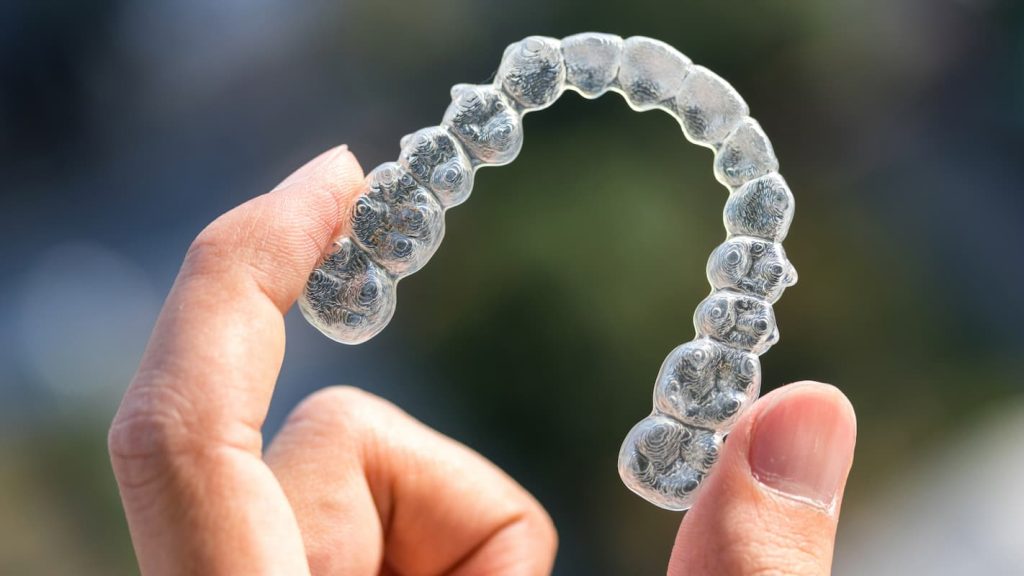
Invisalign treatment typically takes between 12 to 18 months for most adults, though simple cases may finish in 6 months while complex alignment issues can require up to 24 months. The exact timeline depends on several factors including the severity of your dental misalignment, your age, and how consistently you wear the aligners.
Your treatment speed also depends on how well you follow instructions. Wearing your aligners for the recommended 20-22 hours daily and changing to new trays as directed will help you stay on schedule. During your consultation at Optimal Dental Center, our Reston and Fairfax dental team will provide a personalized estimate for your specific situation.
Overview Of Invisalign Treatment Options And Estimated Timelines
Invisalign offers several treatment options tailored to different dental needs, with treatment times varying based on complexity and patient compliance.
Ideal Candidates
Invisalign works best for teens and adults with mild to moderate alignment issues. The system effectively treats overbites, underbites, crossbites, gap teeth, and crowded teeth.
Not everyone qualifies for Invisalign. Patients with severe jaw misalignment or complex orthodontic issues might need traditional braces instead.
The best candidates maintain excellent oral hygiene and demonstrate responsibility. Since aligners are removable, patients must commit to wearing them 20-22 hours daily.
Many patients appreciate that Invisalign is nearly invisible, allowing them to straighten teeth discreetly. This makes the treatment particularly popular among professionals and adults who avoided orthodontic care earlier in life.
Number Of Aligners
The total number of aligners varies significantly from patient to patient. Simple cases might require as few as 12-20 aligners, while complex cases can need 40+ sets.
Each SmartTrack aligner is custom-made for your teeth using 3D digital technology. This advanced material provides better tooth control and more predictable results than older materials.
Patients typically wear each set of clear aligners for 1-2 weeks before progressing to the next. Your dentist will determine the exact schedule based on your treatment plan.
Some patients qualify for Invisalign Express, which uses 5-10 aligners for minor corrections. Others need Invisalign Full for comprehensive treatment, using 20-30+ aligners.
Estimated Duration
Most Invisalign treatments take between 6-18 months to complete. Simple cases involving minor corrections might finish in 6 months or less.
More complex orthodontic treatments typically require 12-18 months. Severe misalignments can take up to 24 months. Your dentist will provide a personalized timeline during your consultation.
Treatment speed depends heavily on compliance. Patients who wear their aligners consistently for the recommended 20-22 hours daily see faster results than those who don’t.
Invisalign Teen includes built-in compliance indicators to help parents monitor usage. These blue dots fade with proper wear, ensuring teens stay on track with their treatment.
After completing the active phase, most patients need retainers to maintain their new smile and prevent teeth from shifting back to their original positions.
Factors Influencing Invisalign Treatment Length
Several key elements determine how long your Invisalign treatment will take. The timeline varies significantly from person to person based on unique dental needs and circumstances.
Complexity Of Dental Issues
The severity of your dental issues significantly impacts treatment duration. Mild crowded teeth or minor spacing issues might require only 6-12 months of treatment. However, more complex orthodontic cases can extend treatment to 18-24 months or longer.
Specific conditions like:
- Severe crossbite
- Significant underbite
- Pronounced open bite
- Extensive tooth movement needs
These conditions require more time to correct properly. For instance, bite correction for an underbite typically takes longer than fixing simple alignment issues. The movement pattern needed for each tooth must be carefully planned in stages, as teeth can only shift a certain amount with each aligner set.
Patient Compliance
Your commitment to the treatment plan plays a crucial role in Invisalign’s effectiveness. Aligners must be worn 20-22 hours daily for optimal results. Removing them for more than the recommended 2-4 hours can significantly delay progress.
Key compliance factors include:
- Consistent wear time: Taking aligners out too frequently extends treatment
- Following the schedule: Changing to new aligners as directed
- Regular appointments: Attending check-ups to monitor progress
Patients who follow instructions precisely often finish treatment on schedule or even earlier than expected. Those who frequently remove aligners or skip wearing them might add months to their treatment timeline.
Age
Age affects how quickly teeth respond to Invisalign treatment. Teenagers and young adults typically experience faster tooth movement because their jawbones are still developing and more malleable.
Adults over 35 may notice:
- Slower initial tooth movement
- Longer overall treatment times
- Need for more aligners to achieve the same results
This happens because adult bone tissue remodels more slowly around shifting teeth. However, this doesn’t mean adults can’t achieve excellent results—it simply might take 3-6 months longer compared to younger patients with similar dental issues.
Biological Response
Each person’s body responds differently to orthodontic treatment. Biological factors that affect Invisalign timelines include:
- Bone density: Denser bone structure may slow tooth movement
- Metabolism: Affects how quickly tissues respond to pressure
- Oral health: Gum disease or other dental issues can complicate treatment
Some patients naturally experience faster tooth movement due to their unique biology. Others might have biological factors that slow the process despite perfect compliance. Dental professionals cannot fully predict these individual variations before treatment begins.
Need For Refinements
Many Invisalign treatments require refinements—additional aligners beyond the initial set to perfect the final result. These refinements address:
- Stubborn tooth movement that didn’t fully complete
- Minor adjustments to bite alignment
- Final spacing issues between teeth
About 70% of cases need at least one round of refinements, adding 1-3 months to treatment. Complex bite correction, particularly for crossbite or open bite cases, often requires refinement phases.
The good news? Refinements ensure your final smile looks its absolute best, even if it means wearing aligners a bit longer than initially expected.
The Invisalign Treatment Process: Step-By-Step
The path to a straighter smile with Invisalign follows a structured process that combines professional expertise with customized treatment planning. Each patient’s journey is unique but follows these essential phases.
Initial Consultation
The Invisalign journey begins with a comprehensive consultation at the dental office. During this visit, the orthodontist examines the patient’s teeth, gums, and overall oral health. They use advanced 3D scanning technology instead of traditional messy impressions to create a digital model of the teeth.
The orthodontist discusses:
- Treatment goals and expectations
- Potential timeline based on individual needs
- Cost estimates and payment options
- Insurance coverage possibilities
Many patients appreciate seeing a digital preview of their potential results through the ClinCheck® software. This technology shows a simulation of how teeth will move throughout treatment, helping patients visualize their future smile.
Aligner Fabrication
After approving the treatment plan, the dental office sends the digital impressions to Invisalign’s laboratory. There, technicians create a series of custom aligners using advanced 3D printing technology.
Each aligner is:
- Made from SmartTrack® material – a clear, flexible thermoplastic
- Trimmed precisely to fit the patient’s gum line
- Designed to apply specific forces to gradually shift teeth
The fabrication process typically takes 2-3 weeks. Once complete, the orthodontist receives the full set of aligners, ready for the patient to begin treatment. Some dental offices offer same-day aligners for certain cases, though this is less common.
Active Treatment
The active phase begins when patients receive their first set of aligners. They must wear the aligners 20-22 hours daily, removing them only for eating, drinking anything besides water, and oral hygiene.
Each aligner is typically worn for 1-2 weeks before progressing to the next in the series. Regular check-ups occur every 6-10 weeks to monitor progress and receive new sets of aligners if needed.
Patients often notice:
- Initial pressure when switching to new aligners
- Gradual shifting of teeth within 3-4 months
- Improved alignment as treatment progresses
The orthodontist might attach small tooth-colored “buttons” to certain teeth. These attachments help the aligners grip the teeth better for more precise movement.
Refinements
After completing the initial set of aligners, the orthodontist evaluates the results. If teeth haven’t moved exactly as planned, refinement aligners may be necessary. About 70% of patients require some refinements for optimal results.
Refinement involves:
- Taking new digital scans of the current tooth positions
- Creating additional aligners to address specific areas
- Wearing these supplemental aligners for several more weeks
This fine-tuning phase ensures teeth reach their ideal positions. The number of refinement aligners varies based on individual needs, ranging from just a few to a dozen or more. Refinements are typically included in the original treatment cost.
Retention
The retention phase is crucial for maintaining the newly aligned smile. Without proper retention, teeth tend to shift back toward their original positions.
Most orthodontists recommend:
- Wearing retainers full-time for the first 3-6 months
- Transitioning to nighttime-only wear afterward
- Replacing retainers every 1-2 years due to wear
Retainer options include clear plastic ones similar to Invisalign aligners or bonded wire retainers attached behind the teeth. Many patients choose a combination of both for maximum security.
Regular dental check-ups help ensure the retention plan continues working effectively. Proper retention truly is a lifelong commitment to preserving that beautiful new smile.
Tips To Stay On Schedule And Potentially Shorten Treatment Time
Your actions and habits can significantly impact your Invisalign treatment timeline. Following these recommendations may help you stay on track or even reduce your overall treatment duration.
Consistent Wear
Invisalign aligners require 20-22 hours of daily wear for optimal results. Many patients who extend their treatment time simply aren’t wearing their aligners enough.
Remove aligners only when:
- Eating meals
- Brushing and flossing
- Drinking hot beverages
- Playing certain sports
Some patients try to “make up” for missed hours by wearing aligners longer later. This approach doesn’t work. The teeth move gradually in response to consistent pressure, not sporadic intense pressure.
Many dentists now recommend tracking apps that send reminders about when to put aligners back in. These digital tools help patients stay accountable.
A simple trick: set a timer whenever you remove your aligners. This prevents the common problem of forgetting them after meals.
Oral Hygiene
Poor oral hygiene can slow treatment progress significantly. Bacteria and plaque buildup create obstacles to tooth movement.
Essential daily practices:
- Brush teeth after every meal
- Floss at least once daily
- Clean aligners thoroughly twice daily
- Rinse aligners when removed
Never skip cleaning your aligners. Dirty aligners harbor bacteria that can cause cavities and gum inflammation. Both conditions can pause your treatment.
Avoid cleaning aligners with hot water, as this may warp the plastic. Instead, use cool water and gentle soap or specialized Invisalign cleaning crystals.
Many Northern Virginia patients find ultrasonic cleaners helpful for maintaining pristine aligners. These devices use sound waves to remove particles and bacteria without damaging the plastic.
Follow-Up Appointments
Missing scheduled check-ups extends treatment time unnecessarily. These appointments allow your dentist to:
- Verify teeth are tracking properly
- Address any emerging issues promptly
- Make adjustments to your treatment plan
- Provide new sets of aligners
Even if your teeth feel fine, invisible problems may be developing. Only professional evaluation can catch these early.
Many dental offices now offer virtual check-ins between appointments. These quick digital reviews help ensure treatment stays on course without requiring an office visit.
If you notice any issues between appointments—like an aligner that doesn’t fit properly—contact your dentist immediately. Waiting could add weeks to your treatment timeline.
Lifestyle Considerations
Small daily habits can impact your Invisalign progress significantly. Making smart choices helps maintain momentum.
Avoid chewing gum while wearing aligners. It sticks to the plastic and creates hygiene issues. The chewing motion may also damage the aligners over time.
Smoking stains aligners quickly, making them more visible. It also restricts blood flow to gums, potentially slowing tooth movement.
Stay hydrated! Proper hydration supports healthy gum tissue, which facilitates tooth movement. Just remember to remove aligners when drinking anything besides plain water.
Some patients find that using approved acceleration devices like VPro5 or AcceleDent may help speed up treatment. These devices use gentle vibrations to potentially enhance tooth movement, though results vary by individual.
Post-Treatment: Maintaining Your New Smile
After completing Invisalign treatment, maintaining your straight smile becomes the top priority. The retention phase is just as important as the active treatment phase.
Most patients need to wear retainers full-time for the first 3-6 months after treatment. This helps your teeth settle into their new positions properly.
Types of Retainers:
- Clear plastic retainers (similar to Invisalign trays)
- Fixed wire retainers (bonded to the back of teeth)
- Hawley retainers (removable with wire and acrylic)
Eventually, you’ll transition to wearing retainers only at night. This nighttime wear is typically recommended indefinitely to prevent teeth from shifting back to their original positions.
Regular dental check-ups are essential during this phase. At Optimal Dental Center, we monitor retention progress at 3, 6, and 12-month intervals after treatment completion.
Clean your retainers daily with a soft toothbrush and mild soap. Avoid hot water as it can warp plastic retainers.
If a retainer becomes damaged or lost, contact your dentist immediately. Going without a retainer for even a few days can allow teeth to begin shifting.
Some patients experience minor movement despite consistent retainer use. This is normal and usually just requires a refinement retainer to address.
Remember that maintaining your investment in a beautiful straight smile requires commitment. The effort of wearing retainers is minimal compared to redoing orthodontic treatment later.
Next Steps: Begin Your Invisalign Treatment With Optimal Dental Center
Ready to start your Invisalign journey? Optimal Dental Center in Reston and Fairfax makes the process simple.
Step 1: Initial Consultation
Schedule a free consultation with the Optimal Dental team. They’ll examine your teeth and discuss whether Invisalign is right for you.
Step 2: Custom Treatment Plan
Using 3D imaging technology, the dentists will create a personalized treatment plan showing how your teeth will move throughout the process.
Step 3: Receive Your Aligners
Your custom-made aligners will arrive at Optimal Dental Center. The team will ensure they fit perfectly and provide instructions for use.
Step 4: Regular Check-ins
Visit Optimal Dental Center every 6-8 weeks. These brief appointments allow the dentists to monitor progress and provide new sets of aligners.
Financing Options Available:
- Insurance coverage (where applicable)
- Monthly payment plans
- Flexible spending account options
- Special financing through CareCredit
The award-winning team at Optimal Dental Center has transformed thousands of smiles across Northern Virginia. Their Invisalign specialists combine technical expertise with a caring approach.
Don’t wait to achieve the smile you’ve always wanted. Call Optimal Dental Center today at (703) 555-1234 or visit their website to book your free Invisalign consultation.
Frequently Asked Questions
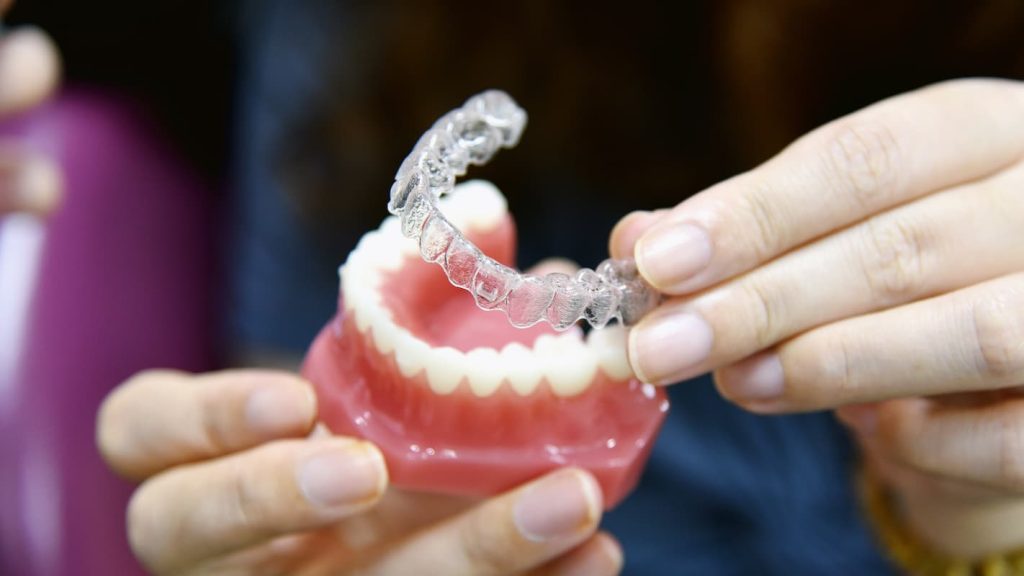
Patients have many specific questions about Invisalign treatment timelines and costs that can affect their decision to proceed with this orthodontic option.
What is the typical timeline for correcting an overbite with Invisalign?
Correcting an overbite with Invisalign typically takes 12-18 months. The exact duration depends on the severity of the overbite.
Some mild cases may see results in as little as 6 months. More complex overbites might require up to 24 months of treatment.
Regular check-ups every 6-8 weeks help monitor progress and make adjustments as teeth shift into proper alignment.
What is the treatment duration for Invisalign when focused on a single tooth?
Single tooth correction with Invisalign generally takes 6-12 weeks. This shorter timeline applies to minor rotations or small movements.
The specific tooth location and degree of correction needed will impact the treatment time. Front teeth often move faster than molars.
Patients still need to wear their aligners for 20-22 hours daily, even for single tooth corrections.
How does the time investment for Invisalign compare with traditional braces?
Invisalign often requires less time than traditional braces for equivalent corrections. While metal braces typically need 18-24 months, Invisalign averages 12-18 months.
Invisalign patients spend less time in the dental chair overall. Adjustment appointments are shorter and less frequent than with traditional braces.
The technology behind Invisalign allows for more precise movement planning, sometimes resulting in more efficient treatment timelines.
What are the expected costs associated with Invisalign treatment?
Invisalign cost typically ranges from $3,000 to $8,000, depending on treatment complexity. This compares to traditional braces which generally cost $2,500 to $6,000.
Many dental insurance plans cover Invisalign similar to how they cover traditional braces, often paying $1,500 to $3,000 of the total cost.
Flexible spending accounts (FSAs) and payment plans offered by dental offices can make the investment more manageable for patients.
How effectively can Invisalign close gaps and what is the estimated time for this process?
Invisalign effectively closes gaps between teeth in about 6-12 months for most cases. Small gaps often close in as little as 3-6 months.
The clear aligners apply consistent pressure to gradually move teeth together. Multiple gaps may require longer treatment times, sometimes up to 18 months.
Retention after gap closure is crucial to prevent teeth from drifting back to their original positions.
Can Invisalign be worn less than the recommended 22 hours per day without compromising the treatment?
Wearing Invisalign less than the recommended 20-22 hours daily will extend treatment time. Even a few extra hours out of the mouth can impact results.
Patients who consistently wear aligners only 16-18 hours daily might experience treatment delays of 2-3 months or more. Some tooth movements may not occur properly with reduced wear time.
The aligners need consistent pressure on teeth to achieve the planned movements. Taking them out too frequently disrupts this process.
Missing teeth affect more than just your appearance they can impact your ability to speak, chew, and maintain proper oral health. Replacing them is essential not only for a confident smile but also for preserving jawbone health and avoiding other dental problems.
Missing teeth must not be ignored since it can lead to shifting teeth, bite problems, bone loss, and even changes in facial structure. Over time, gaps left untreated will require more complex and costly treatments.
Thankfully, modern dentistry offers a range of tooth replacement options, including dentures, bridges, dental implants, and implant-supported solutions. Each has its own benefits, and the best choice depends on your individual needs, goals, and oral health.
In this guide, we’ll explore these options to help you find the perfect option for your smile.
Common Options for Replacing Missing Teeth
Whether you’re missing one tooth or several, modern dentistry offers successful ways to restore your smile and function. Here are the most common options:
- Dental Implants
A long-lasting, natural-looking solution that replaces both the root and crown of a missing tooth. Implants are inserted surgically into the jawbone, promoting bone health and significant stability. - Dental Bridges
Ideal for replacing one or a few teeth, bridges utilize the surrounding teeth as anchors for a prosthetic tooth. They’re fixed in place and can restore your smile quickly, though they do require adjusting the adjacent teeth. - Dentures (Full & Partial)
Removable options for replacing many teeth. Full dentures are for when all teeth are missing, while partials work with existing natural teeth. They’re affordable and non-invasive but may need adhesives or adjustments for comfort. - Implant-Supported Dentures
These combine the coverage of dentures with the stability of dental implants. They snap in place for a secure fit, offering better comfort and function than standard dentures. - Resin-Bonded Bridges (Maryland Bridges)
A conservative way to replace front teeth. They use metal or ceramic “wings” bonded to the back of neighboring teeth minimally invasive, but best for areas with low bite pressure.
Each option has its pros and cons, so discuss your goals and oral health with your dentist to decide what works best.
Dental Implants: A Reliable, Long-Term Solution for Missing Teeth
Dental implants are one of the most popular and effective ways to replace missing teeth. Designed to look and function like natural teeth, they offer both cosmetic and health benefits.
What is a Dental Implant?
A dental implant is a surgically placed titanium post in the jawbone serving as an artificial root for a tooth. After healing, a custom-made crown is then attached, restoring your smile and bite.
Benefits and Advantages:
- Natural look and feel
- Prevents bone loss and maintains facial structure
- Doesn’t rely on or damage neighboring teeth
- Stable and secure – no slipping or shifting
- Long-term durability with proper care
Procedure Overview (Single Tooth):
The process typically involves an initial consultation, surgical placement of the implant, several months of healing, and finally, the attachment of the crown. It’s a multi-step treatment with highly predictable outcomes.
Ideal Candidates:
Implants are great for adults in good oral and general health, with enough bone density to support the implant. Non-smokers and those without chronic conditions that affect healing tend to have the best results.
Success Rates and Longevity:
Dental implants are over 95% successful and can last 20 years or more often a lifetime with regular care and maintenance.
Cost and Insurance:
Implants typically range from $3,000–$5,000 per tooth. While many insurance plans don’t cover the full cost, some may contribute to parts of the procedure, especially if medically necessary.
Dental Bridges
Dental Bridges: Restoring Your Smile with a Fixed Solution
Dental bridges are a popular, non-surgical option for replacing one or more missing teeth. They work by “bridging” the gap between healthy teeth using a prosthetic tooth (or teeth) that is held in place.
What is a Dental Bridge?
A dental bridge is an artificial tooth (pontic) held in place by dental crowns or attachments on adjacent natural teeth or implants. It’s a fixed solution, meaning it stays in your mouth and doesn’t need to be removed daily.
Types of Dental Bridges
- Traditional Bridge
The most common type, supported by crowns on both sides of the gap. Best for patients with strong, healthy teeth on both sides of the missing tooth. - Cantilever Bridge
Anchored by a crown on only one adjacent tooth. Less common and typically used when only one adjacent tooth is available. - Maryland (Resin-Bonded) Bridge
Uses a metal or porcelain framework bonded to the backs of adjacent teeth. Minimally invasive, typically used for front teeth with less biting force.
Pros and Cons of Dental Bridges
Pros:
- Restores function and appearance
- Quick treatment compared to implants
- Fixed in place – no removal needed
- More affordable than implants
Cons:
- May require shaving down healthy teeth
- Doesn’t prevent bone loss in the jaw
- Bridges may need replacement after 5-15 years
Procedure and Maintenance
Getting a bridge typically requires two visits. In the first, the dentist prepares the surrounding teeth and takes impressions. A temporary bridge is placed while your custom bridge is being made. In the second visit, the final bridge is cemented in place.
Care is simple but important brush twice daily, floss under the bridge with a special floss or a threader, and visit your dentist regularly to keep it in great shape.
Cost and Insurance Considerations
Dental bridges usually cost between $2,000 and $5,000 depending on the type and number of teeth involved. Many dental insurance plans cover a portion of the cost, especially for traditional bridges.
Dentures (Full and Partial)
Dentures: Full vs. Partial and What to Expect
Dentures are a longstanding, affordable solution for replacing missing teeth whether you’re missing a few or all of them. Dentures today are more comfortable and natural-looking than ever before, making them a practical option for many patients.
Difference Between Full and Partial Dentures
- Full Dentures
Also known as complete dentures, these are used to replace all of the teeth on either the top or the bottom jaw. They rest directly on the gums and are often held in place by suction or denture adhesive. - Partial Dentures
These are used if there are some remaining natural teeth. A partial denture consists of replacement teeth attached to a gum-colored base, usually connected by a metal or flexible framework that clasps onto your remaining teeth.
Advantages and Limitations of Dentures
Advantages:
- Restores ability to eat and speak clearly
- Improves facial appearance and supports facial muscles
- More affordable than implants or bridges
- Non-invasive option
Limitations:
- May feel bulky or take time to adjust to
- Can shift or loosen over time without proper fit
- Requires daily removal and cleaning
- Doesn’t prevent bone loss in the jaw
How Dentures Are Made and Fitted
The process starts with dental impressions and measurements of your mouth. A dental lab creates a custom model for fitting and adjustments. Once finalized, your denture is created and fitted to ensure comfort, stability, and a natural appearance. Multiple visits may be needed for adjustments.
Maintenance and Care for Dentures
- Clean daily with a denture brush and non-abrasive cleanser
- Soak them in a denture solution overnight
- Rinse before wearing
- Handle with care to avoid dropping
- Visit your dentist for regular checkups and adjustments
Costs, Longevity, and Insurance Coverage
Dentures typically range in price from $1,000 to $3,000 for complete dentures and $500 to $1,500 for partial dentures. They typically have a lifespan of 5–10 years before needing replacement or relining. Most dental insurance policies cover part of the cost, especially if dentures are medically necessary.
Implant-Supported Dentures: The Best of Both Worlds
For those seeking a more stable and comfortable alternative to traditional dentures, implant-supported dentures offer an excellent solution. By combining the full-arch coverage of dentures and the stability of dental implants, they restore confidence, function, and comfort.
Combining Implants and Dentures for Stability
Implant-supported dentures are anchored to two or more dental implants surgically placed in the jawbone. Unlike traditional dentures that rest on the gums, these snap or clip into place, providing a secure fit that minimizes slipping and discomfort.
Advantages Over Traditional Dentures
- Improved stability – no shifting or sliding while eating or speaking
- Better chewing efficiency – allows for a wider variety of foods
- Reduced gum irritation – since they don’t rest solely on soft tissues
- Preserves jawbone – implants stimulate the bone, preventing shrinkage
- More natural feel and function – closer to the sensation of natural teeth
Ideal Candidates for Implant-Supported Dentures
This option is best suited for patients who:
- Have lost most or all teeth in an arch (upper or lower)
- Have adequate jawbone density to support implants
- Are in good general health and able to undergo minor oral surgery
- Struggle with the fit or comfort of traditional dentures
Cost, Procedure, and Maintenance
Cost: Typically ranges from $6,000 to $30,000 depending on the number of implants, type of denture, and materials used. While more expensive than standard dentures, many patients find the long-term benefits worth the investment.
Procedure:
- Consultation and 3D imaging
- Implant placement (usually 2–6 implants per arch)
- Healing period (3–6 months) for osseointegration
- Attachment of custom denture to implants
Maintenance:
- Remove and clean daily (unless using fixed/hybrid options)
- Maintain good oral hygiene and clean around implants
- Regular dental checkups to monitor fit and implant health
Single Tooth Replacement Options: Finding the Right Fit for Your Smile
The loss of a single tooth regardless of whether it is from injury, decay, or gum disease – can affect more than just your appearance. It can lead to shifting teeth, bite issues, and even bone loss. The good news is that there are a number of effective options available to replace a single missing tooth and restore both function and aesthetics.
Single-Tooth Implants: Advantages and Considerations
A single-tooth dental implant is often considered the most durable and natural-looking solution. It involves placing a titanium post into the jawbone, which acts as an artificial root, topped with a custom-made crown.
Advantages:
- Preserves jawbone and prevents bone loss
- Does not require altering adjacent teeth
- Long-lasting and low-maintenance
- Looks and functions like a natural tooth
Considerations:
- oral surgery and recovery time are necessary
- Higher upfront cost
- Requires sufficient bone density is needed
Alternatives to Single-Tooth Implants
- Dental Bridge: Anchors a false tooth to crowns placed on the neighboring teeth. A quicker, non-surgical option, though it may require filing down healthy teeth.
- Removable Partial Denture: A less invasive, budget-friendly choice. It clips onto adjacent teeth but may feel less secure and require more maintenance.
Each alternative has its place depending on your oral health, budget, and personal preferences.
Choosing the Best Option for Single-Tooth Replacement
The best choice depends on several factors:
- Bone health and availability for implants
- Condition of surrounding teeth
- Budget and insurance coverage
- Personal preferences regarding invasiveness and permanence
A consultation with your dentist or prosthodontist will help determine the ideal treatment for your specific needs and long-term goals.
Comparison of Tooth Replacement Options: What to Consider Before You Choose
There is no single solution for replacing missing teeth. If you’re considering implants, bridges, or dentures, understanding how each option compares can help you make the best choice for your smile, comfort, and long-term oral health.
Durability and Longevity
- Dental Implants: Most durable – can last 20+ years or even a lifetime with proper care.
- Bridges: Typically last 5–15 years, depending on materials and oral hygiene.
- Dentures: Need to be replaced or relined every 5–10 years due to wear and changes in gum shape.
Comfort and Functionality
- Implants: Feel and work like natural teeth; very stable for chewing and speaking.
- Bridges: Comfortable and fixed, but can cause pressure on supporting teeth over time.
- Dentures: May shift or require gluing in position; take time to adjust to, especially for eating and speaking.
Appearance and Natural Look
- Implants: Excellent aesthetics – custom crowns blend seamlessly with natural teeth.
- Bridges: Also look natural, especially with modern materials like porcelain or zirconia.
- Dentures: Can look very natural but may lack the realism of implants or high-end bridges.
Maintenance and Oral Hygiene
- Implants: Easy to maintain – brush and floss like natural teeth.
- Bridges: Require flossing underneath the bridge using special tools.
- Dentures: Must be removed daily to clean and soak overnight.
Long-term Health Benefits and Risks
- Implants: Stimulate the jawbone and prevent bone loss.
- Bridges: Don’t prevent bone loss and may require modifying healthy teeth.
- Dentures: Can accelerate bone loss over time due to lack of jawbone stimulation.
Cost Comparison and Affordability
- Implants: Highest upfront cost ($3,000–$5,000 per tooth) but most cost-effective long-term.
- Bridges: Moderate cost ($2,000–$5,000), usually partially covered by insurance.
- Dentures: Most affordable ($500–$3,000), especially for full arches, and often covered by insurance.
Each option has its pros and cons. The right choice depends on your oral health, goals, and budget. A visit to your dentist can help you make your decision and move forward with confidence.
How to Determine the Best Tooth Replacement Option for You
Choosing the right tooth replacement option isn’t just about filling a gap – it’s about restoring your comfort, function, and confidence in a way that fits your unique needs. Several key factors play a role in making the best choice.
Bone and Gum Health
Your jawbone and gum condition plays a huge role in your options. Dental implants require sufficient bone density to hold them in place. If bone loss has occurred, a graft may be necessary. For patients with compromised bone or gum health, dentures or bridges may be a better choice.
Number of Teeth Missing
- Single Tooth: Dental implants or bridges are both excellent choices.
- Several Teeth: Partial dentures, implant-supported bridges, or multiple implants might be recommended.
- All Teeth Missing: Full dentures or implant-supported dentures are the go-to options.
Budget and Insurance Coverage
Cost can be a major deciding factor:
- Dentures are generally the most affordable and often covered by insurance.
- Bridges are in mid-range and are usually partially covered.
- Implants are more expensive upfront but may be the most cost-effective over time due to their durability.
Lifestyle Preferences
Consider how much time you’re willing to invest in care and maintenance:
- Implants are low-maintenance and feel like natural teeth.
- Dentures require daily removal and cleaning but are non-invasive.
- Bridges are fixed in place and relatively easy to care for but may need special flossing techniques.
Importance of a Professional Dental Evaluation
No matter your situation, a thorough dental examination is required. Your dentist will assess your oral health, bone structure, and personal goals to recommend the safest and most effective treatment. Custom solutions often combine multiple approaches for the best results.
Still unsure? Sit down with your dentist to discuss which option fits your smile, lifestyle, and long-term health best.
The Tooth Replacement Process: What to Expect from Start to Finish
Replacing a missing tooth or several can feel overwhelming, but understanding the process can make the journey smoother and more confident. Whether you’re considering implants, bridges, or dentures, here’s a general overview of what to expect.
Initial Consultation and Assessment
Your journey begins with a comprehensive dental exam. Your dentist will assess:
- The condition of your teeth and gums
- Jawbone density (especially for implants)
- Your bite alignment and overall oral health
X-rays or 3D imaging may be taken to guide treatment decisions. You’ll also discuss your goals, concerns, medical history, and budget.
Treatment Planning and Customization
Based on your assessment, your dentist will recommend the best replacement option – dental implants, bridges, or dentures and adjust the treatment plan according to your needs. This stage includes selecting materials, planning for any preparatory procedures (like bone grafting or extractions), and creating a timeline.
Procedure Steps
Dental Implants
- Implant post surgically placed in the jawbone
- Healing time (3–6 months) for bone integration
- Abutment and crown placed once the implant is stable
Dental Bridges
- Adjacent teeth are prepared (shaped for crowns)
- Impressions are taken and sent to a lab
- Custom bridge is cemented in place
Dentures (Full or Partial)
- Impressions and bite measurements taken
- Fittings for trial and adjustments
- Final denture is crafted and placed
Each option may require multiple visits and temporary restorations during the process.
Aftercare, Recovery, and Follow-up
After the procedure:
- Follow your dentist’s instructions for cleaning, diet, and oral care
- Mild discomfort or adjustment time is normal
- Implants require healing time, while bridges and dentures may need fitting adjustments
- Regular follow-ups ensure proper healing and long-term success
Good oral hygiene, regular dental visits, and proper care of your replacement teeth are essential for longevity and comfort.
Cost Comparison and Financing Options: Making Tooth Replacement Affordable
Tooth replacement is an important investment in your oral health, appearance, and quality of life. Understanding the costs, what affects them, and how to pay for them can help make treatment more accessible and less overwhelming.
Average Costs for Each Tooth Replacement Method
While prices can vary based on location, materials, and provider, here’s a general cost range:
- Dental Implants: $3,000–$5,000 per tooth
- Implant-Supported Dentures: $6,000–$30,000 (full arch)
- Dental Bridges: $2,000–$5,000
- Full Dentures: $1,000–$3,000
- Partial Dentures: $500–$1,500
These estimates may include exams, imaging, lab fees, and materials, but not always preparatory procedures like bone grafts or extractions.
Factors Influencing Cost
Several variables can impact your final cost:
- Number of teeth being replaced
- Type of replacement (material, design, complexity)
- Additional treatments (bone grafting, sinus lifts, etc.)
- Location and dental provider’s experience
- Laboratory and material choices
Insurance Coverage and Financing Options Available
- Insurance: Most dental plans cover part or all of the cost of bridges and dentures. Implants may not be fully covered, but things like crowns or diagnostic services may be covered.
- Flexible Spending Accounts (FSA) and Health Savings Accounts (HSA): These can be used to pay for treatment with pre-tax dollars.
- Dental Financing Plans: Many providers offer in-house or third-party financing (e.g., CareCredit) with low or no-interest monthly payments.
- Membership or Discount Plans: Some dental offices offer discount plans for uninsured patients, lowering costs for procedures.
Making Treatment Affordable
Begin by talking to your dentist about your budget – they may be able to phase treatment, offer alternative options, or help navigate insurance. Prioritize essential care first, and consider financing that spreads larger costs into low monthly payments.
Replacing missing teeth is an investment, but with the right plan, it’s an affordable one.
Why Choose Optimal Dental Center?
When it comes to restoring your smile, choosing the right dental provider can make all the difference. At Optimal Dental Center, we combine experience, cutting edge, and patient-focused care to deliver lasting results and a confident smile.
Expertise in Advanced Tooth Replacement Procedures
Our team includes specialists in implantology, prosthodontics, and restorative dentistry with years of experience in even the most complex cases. No matter if you’re restoring one tooth or need a full-mouth restoration, you’re in experienced hands.
Personalized Treatment Plans Designed Specifically for You
We believe that every smile is unique. That’s why every treatment plan is tailored to you based on your oral health, aesthetic goals, budget, and lifestyle. From consultation to final result, your care is centered around you.
State-of-the-Art Facilities and Techniques
Optimal Dental Center uses the latest dental technologies, including 3D imaging, digital impressions, and guided implant surgery. Our modern approach offers precise, efficient treatment with more comfort and faster healing.
Comprehensive Care and Follow-Up Support
Our commitment doesn’t end when your procedure does. We provide detailed aftercare instructions, regular follow-ups, and ongoing support to ensure your new smile stays healthy and strong for a lifetime.
Convenient Payment Plans and Insurance Guidance
We work with most major insurance providers and offer flexible financing options to make treatment accessible. Our team is here to help you understand your benefits and establish a payment plan that works for you.
Invitation for a Complimentary Consultation or Appointment Booking
Replacing missing teeth is more than just a cosmetic choice; it’s an essential step for protecting your oral health, restoring function, and regaining your self-confidence. Whether you’re considering dental implants, bridges, dentures, or a combination of solutions, learning about your options is the first step toward making the right decision for your smile.
At Optimal Dental Center, your comfort, confidence, and care are of utmost importance. Ready to take the next step toward your best smile?
Call our team today at 703-391-2222 or visit our website to schedule your free, no-obligation consultation at Optimal Dental Center. Same-week appointments are often available.
New patients get a complimentary smile assessment with digital photos and a treatment preview to see potential results before making any decisions.
Your healthiest, most confident smile starts here. Contact us today.
Frequently Asked Questions (FAQs)
Tooth replacement is a big decision, and it’s natural to have some questions. Here are some of the most commonly asked questions patients have when exploring their options.
Which tooth replacement option lasts the longest?
Dental implants last the longest 20 years or longer with proper care. In many cases, they can last a lifetime. Bridges and dentures typically need to be replaced every 5–15 years, depending on wear, materials, and oral hygiene.
What option looks most natural?
Dental implants and high-quality porcelain bridges or crowns are the most natural. They’re custom-made to match your surrounding teeth in shape, color, and size. Modern dentures also look realistic, but may not match the lifelike feel of implants.
How long does the tooth replacement process take?
- Dental implants: 3–6 months (including healing time)
- Bridges: 1–2 weeks
- Dentures: 2–6 weeks (depending on adjustments or extractions)
Timelines vary depending on whether bone grafting or other treatments are needed.
Are tooth replacement procedures painful?
Most procedures have minimal discomfort and are performed with local anesthesia. Implant surgery may cause mild soreness, but this will normally resolve within a few days. Your dentist will provide pain management options and aftercare instructions to ensure you are as comfortable as possible.
How do I maintain my dental restorations?
- Implants and bridges: Brush and floss every day, just like natural teeth. Use floss threaders or interdental brushes as needed.
- Dentures: Remove and clean them every day with a denture cleanser. Soak overnight, and clean your gums and tongue to maintain oral health.
Regular dental checkups are essential for all types of restorations to ensure longevity and proper fit.
Still have questions? Contact us at Optimal Dental Center and we’ll help you choose the best solution for your smile, lifestyle, and long-term oral health.
Disclaimer:
The cost ranges provided above are general estimates and are meant for informational purposes only. Actual prices may vary significantly depending on your geographic location, the dental provider, the materials used, and the complexity of your individual case. Additional procedures such as bone grafts, tooth extractions, or sedation may incur extra charges. Please consult with your dental professional for an accurate and personalized treatment estimate.
Choosing the right orthodontic treatment can be a big decision. Most patients wonder whether Invisalign or traditional braces would work better for their teeth. Both of them can effectively straighten the teeth, but they differ in several ways.
Invisalign® features clear, removable aligners while traditional braces feature metal brackets and wires permanently attached to teeth during treatment. This general difference affects comfort, appearance, and sometimes even treatment length. Invisalign® offers a near-invisible alternative that most teens and adults prefer for aesthetic reasons.
The best choice depends on the specific dental issues being addressed. Invisalign® works well for mild to moderate alignment problems, but traditional braces may be more effective for complex cases. Optimal Dental Center in Northern Virginia helps patients make this important decision based on their unique needs, lifestyle, and budget.
Why Straighten Your Teeth
Straightening teeth isn’t just about having a pretty smile. It’s also about health. Crowding and bite issues can lead to serious dental problems over time.
Crooked teeth are harder to clean properly. Food particles and plaque can become stuck in tight or overlapping spaces. This increases the risk of cavities and gum disease.
Bite issues can result in uneven wear on teeth. Some teeth may wear down faster than others. This can cause sensitivity and even tooth loss in extreme cases.
Many people experience jaw pain or headaches due to misalignment. When teeth do not meet correctly, it puts stress on jaw muscles and joints.
Benefits of straightening teeth include:
- Easy cleaning and better oral hygiene
- Less risk of dental issues
- Better chewing function
- Less strain on jaw joints
- More confidence and self-esteem
Straight teeth work better. They distribute biting forces evenly, which protects all teeth from excessive wear.
Speech issues sometimes arise from dental issues. Straightening can fix some speech difficulties.
A straighter smile can boost confidence in social and professional settings. Many adults are more confident in public after treatment.
The price of straightening teeth today can prevent costly dental work down the road. Correcting alignment early on helps avoid more serious problems later on.
Overview Of Traditional Braces And Invisalign®
Traditional braces and Invisalign® are two popular options in orthodontics for straightening teeth. They both work by applying gentle pressure to move teeth into proper alignment over time.
Traditional braces consist of brackets attached to teeth with a wire running through them. The metal braces are held in place throughout treatment, typically 18-24 months for most patients.
Invisalign® uses clear, removable aligners made of BPA-free plastic. These custom-made trays are nearly invisible when in place and can be removed for eating and cleaning.
Treatment Differences:
| Feature | Traditional Braces | Invisalign® |
| Appearance | Metal brackets and wires | Clear plastic aligners |
| Removability | Fixed in place | Removable (2 hours max daily) |
| Food Restrictions | Yes – no sticky/hard foods | None – remove to eat |
| Cleaning | More difficult | Easy – clean teeth normally |
| Office Visits | Every 4-6 weeks | Every 6-8 weeks |
Braces are often more effective for complex dental issues and severe misalignments. They also don’t require the discipline of wearing removable aligners for 22 hours a day.
Invisalign® offers discretion and comfort that many patients prefer. The smooth plastic won’t irritate cheeks and gums like metal brackets sometimes do.
Both treatments require meticulous cleaning to prevent decay. Braces call for special brushes and flossers, but Invisalign® allows normal brushing after removing aligners.
The best choice depends on personal dental needs, lifestyle preferences, and budget of each patient. A visit to an experienced orthodontist provides the most effective recommendation.
Importance Of Choosing The Right Orthodontic Option
Choosing the proper orthodontic treatment affects more than just your smile. It affects your daily comfort, treatment time, and long-term dental health. The choice between Invisalign® and braces isn’t one size fits all.
Your lifestyle plays a significant role in this decision. Active teenagers might prefer braces that do not require them to remember to put aligners back in after meals. Working adults might value the subtlety Invisalign® allows during meetings and presentations.
Budget considerations matter too. While initial costs vary, the following comparison reflects typical price ranges:
| Treatment Option | Average Cost Range |
| Traditional Braces | $3,000 – $7,000 |
| Invisalign® | $4,000 – $8,000 |
The severity of your dental issues will guide which orthodontic choice is most suitable. Serious bite problems might require traditional braces, while minor alignment issues might be a perfect candidate for Invisalign®.
Treatment duration differs between options. Braces are typically worn between 1-3 years, while Invisalign® can be shorter for some patients.
Remember, oral hygiene requirements vary significantly. Braces require special brushing techniques and food restrictions. Invisalign® allows for normal brushing but requires consistent wear and frequent aligner cleaning.
Your orthodontist’s expertise with different treatment methods should influence your choice. Some practitioners are more experienced with certain orthodontic systems based on their training and experience.
The right choice leads to better results, fewer complications, and greater satisfaction with your smile journey.
The Overview On Invisalign®
Invisalign® offers a modern way of straightening teeth without the metal brackets and wires of traditional braces. This clear system of aligners has become popular for its almost invisible appearance and ease of use.
What Is Invisalign®?
Invisalign® consists of custom-made, clear plastic aligners that fit snugly over your teeth. These removable aligners are almost invisible when worn, so they’re an excellent option for adults and teens who want to avoid the appearance of traditional metal braces during treatment.
The aligners are made from a patented thermoplastic material called SmartTrack®, specifically designed for the Invisalign® system. The material is FDA-approved and contains no BPA, BPS, latex and is gluten-free.
Unlike traditional braces, Invisalign® aligners can be removed during eating, drinking, brushing, and flossing. This facilitates better oral hygiene during treatment compared to fixed appliances.
The transparent nature of these aligners allows patients to straighten their teeth without drawing attention to their dental work, a major selling point for image-conscious consumers.
How Invisalign® Treatment Works
Invisalign® starts with a digital impression of your teeth. This 3D imaging technology produces a precise map of your existing dental alignment and allows for planning of tooth movement.
Your dentist then designs a customized treatment plan showing the exact movements of your teeth and an estimate of how long treatment will take. Patients usually wear each set of aligners for 1-2 weeks before switching to the next one in the series.
The typical treatment process includes:
- Initial consultation and digital scanning
- Customized aligner production
- Bi-weekly or monthly aligner changes
- Progress check-ups every 6-8 weeks
The aligners put pressure on the teeth gradually pushing them to their desired positions. Most patients must wear their aligners for 20-22 hours per day and only remove them to eat, drink liquids other than water, and perform oral hygiene routines.
Ideal Candidates For Invisalign®
Invisalign® works best on cases with mild to moderate alignment issues. The system can effectively correct:
- Overcrowding of teeth
- Spaces in between teeth
- Overbites and underbites
- Crossbites
- Open bites
Adults and teenagers with fully formed permanent teeth are the best candidates for Invisalign® treatment. The removable nature of aligners is particularly convenient for professionals, public speakers, and anyone concerned about appearance while being treated.
Patients must be compliant and wear the aligners as directed. Those with severe orthodontic issues, significant jaw misalignment, or active gum disease may need other treatments before or in place of Invisalign®.
The ideal candidate also enjoys the luxury of removing aligners for special occasions, though this should be limited to maintain treatment progress.
What You Get With Traditional Braces
Traditional braces remain a proven solution for straightening teeth and correcting bite issues. They offer predictable results for patients of all ages with a variety of dental alignment problems.
What Are Traditional Metal Braces?
Traditional metal braces consist of tiny brackets positioned on each tooth and connected by a metal wire. The brackets are typically made of high-grade stainless steel or titanium. Modern metal braces are smaller and less noticeable than the ones people used to wear decades ago.
The main components are:
- Brackets: Small attachments that are bonded to teeth
- Archwires: Metal wires that connect brackets
- Elastic bands: Colored or clear bands to help apply pressure
- Spacers: Sometimes used to create space between teeth
Metal braces are durable and can handle complex tooth movements that some other treatments can’t. Unlike clear aligners, patients cannot remove them, which ensures ongoing treatment progress.
How Braces Treatment Works
Metal braces work by applying constant, gentle pressure to teeth over time. The archwire guides teeth to their proper positions while the brackets hold the wire in place.
The treatment process typically proceeds as follows:
- Initial consultation – Examination of teeth and X-rays
- Braces placement – Attaching brackets and wires
- Adjustment appointments – Every 4-6 weeks
- Retention – Wearing retainers after braces are removed
At every adjustment, the orthodontist tightens the wires to further move teeth toward their ideal positions. This creates mild discomfort that normally disappears within a few days. Treatment with traditional braces usually lasts 18-24 months, depending on the complexity of the case.
Ideal Candidates For Braces
Traditional metal braces are ideal for patients with:
Severe misalignment – Metal braces excel at correcting severe crowding or spacing issues.
Complex bite problems – They can effectively fix overbites, underbites, and crossbites.
Child and adolescent patients – Younger patients benefit from the non-removable nature of braces.
Budget-conscious patients – Metal braces are often more affordable than ceramic braces or clear aligners.
Individuals with active lives like the durability of metal braces, which are capable of withstanding sports and intense activities. People who find it hard to have the discipline to wear removable aligners also prefer traditional braces because they do their job around-the-clock.
Key Differences: Invisalign® Vs. Braces
Choosing between Invisalign® and traditional braces involves considering several factors that impact your treatment experience and results. Each option offers distinct advantages depending on your specific dental needs and lifestyle preferences.
Appearance & Aesthetics
Invisalign® aligners are virtually invisible. Made from clear plastic, they fit snugly over teeth without drawing attention. Most people won’t notice them during conversations or in photos.
Metal braces consist of metal brackets and wires attached to the front surfaces of teeth. They are highly visible when smiling or speaking. While colored bands give younger patients personalization options, most adults prefer less noticeable treatment options.
Modern ceramic braces provide a compromise with tooth-colored brackets that are less conspicuous against teeth. However, they are still more visible than Invisalign® aligners.
For image-conscious professionals and teens, Invisalign® typically wins the aesthetics competition by a significant margin.
Comfort Level And Convenience
Invisalign® aligners feature smooth plastic that rarely irritates gums or cheeks. Patients typically experience moderate pressure for 1-2 days when switching to new aligners every 1-2 weeks.
Conventional braces can cause:
- Initial pain upon application
- Cheek and lip irritation from brackets
- Discomfort after monthly tightening appointments
- Rare emergencies with poking wires
Invisalign® provides better convenience with removable aligners. Patients can remove them for:
- Eating meals (no dietary restrictions)
- Brushing and flossing as usual
- Special events (although limited to 2 hours a day)
This convenience carries a responsibility—aligners must be worn 20-22 hours a day for effective treatment.
Treatment Effectiveness And Results
Traditional braces are best at complicated orthodontic cases such as:
- Severe crowding or spacing
- Significant bite problems
- Vertical tooth movements
- Extreme rotations
The fact that braces are fixed provides orthodontists with better control over the movement of teeth.
Invisalign® technology has come a long way. Modern aligners can now handle most cases, including:
- Mild to moderate crowding
- Spaces between teeth
- Overbites and underbites
- Some complex movements with “attachments” (small tooth-colored bumps)
For extremely complicated cases, traditional braces may still be recommended for optimal results.
Speed Of Treatment And Timeline
Treatment time varies with case complexity, but average timelines are:
| Treatment Type | Simple Cases | Moderate Cases | Complex Cases |
| Traditional Braces | 12-18 months | 18-24 months | 24-36 months |
| Invisalign® | 6-12 months | 12-18 months | 18-24 months |
Invisalign® often works slightly faster for mild cases because:
- New aligners continue to exert constant gentle pressure
- Treatment planning utilizes advanced computer modeling
- Each stage is precisely calculated for efficiency
Patient compliance plays a big role in the Invisalign® timeline. Not wearing aligners as directed extends treatment considerably.
Maintenance And Oral Hygiene
Invisalign® offers considerable oral hygiene advantages:
- Aligners are taken out for brushing and flossing
- Normal cleaning routines continue unchanged
- No food trapped around brackets
- Lower risk of white spot lesions or decay
With traditional braces, oral care includes:
- Special brushes to clean around brackets
- Floss threaders or water flossers
- Extra time for thorough cleaning
- More frequent cleanings by the dentist
This less complicated maintenance translates to healthier gums and less chance of cavities during treatment.
Dietary Restrictions And Lifestyle Impact
Traditional braces come with food restrictions. Patients must avoid:
- Hard foods (nuts, ice, hard candy)
- Sticky foods (caramel, taffy)
- Chewy foods (bagels, hard rolls)
- Foods that require biting into (apples, corn on cob)
These restrictions continue throughout treatment—typically 18-24 months.
Invisalign® has no food restrictions since aligners are removed to eat. Patients simply:
- Remove aligners before eating
- Eat whatever they want
- Brush teeth after meals
- Replace aligners
In sports, Invisalign® aligners can function as light mouth guards, while metal braces may require additional sports mouth guards.
Frequency Of Dental Visits
Metal braces typically require:
- Initial placement visit (1-2 hours)
- Adjustment visits every 4-6 weeks (30 minutes)
- Occasional emergency visits for poking wires
- End of treatment removal appointment
Invisalign® visits include:
- Initial records and scanning (1 hour)
- Check-up visits every 8-12 weeks (15-20 minutes)
- Fewer visits in total
- Final refinement evaluation
The fewer Invisalign® visits are a plus for professionals and parents with hectic schedules. Virtual monitoring options now allow some check-ups to take place virtually, reducing office visits even further.
Pros And Cons: Invisalign®
Invisalign® is a modern alternative to traditional braces with distinct advantages and limitations that patients should know about before making their decision.
Advantages Of Invisalign®
Nearly Invisible Appearance: Invisalign® aligners are clear plastic trays worn over teeth. They are invisible to most people, so they are ideal for adults and teens concerned about appearance.
Removable For Eating: Unlike braces, aligners can be taken out by patients for meals. This means no food restrictions and no worries about food particles getting stuck in wires or brackets.
Easier Oral Hygiene: Patients can brush and floss as normal by simply taking out the aligners. This leads to better overall dental health during treatment.
Comfort Factor: There are no sharp edges or protruding wires in Invisalign® trays. Patients typically report less cheek and gum irritation as compared to traditional braces.
Fewer Office Visits: Treatment typically requires visits every 6-8 weeks rather than monthly adjustments needed for braces.
Cons Of Invisalign®
Discipline Required: Success depends heavily on wearing aligners 20-22 hours per day. Some patients have difficulty keeping up with this commitment, especially younger teens.
Not Ideal For Complex Cases: Conventional braces may be required for severe bite issues or significantly rotated teeth. Invisalign® works best for mild to moderate alignment issues.
Cost Considerations: Invisalign® is generally more costly than conventional braces. The price typically ranges from $3,000-$8,000 depending on the complexity of treatment.
Risk Of Loss: Removable aligners can be lost or accidentally discarded, which can potentially set back the progress of treatment and entail replacement costs.
Speech Changes: Some patients notice a subtle lisp when first wearing aligners, which typically disappears within a few days as they get used to them.
Pros And Cons: Traditional Braces
Traditional braces have stood the test of time for centuries in orthodontic treatment, offering reliable solutions for various teeth alignment issues. They come with some advantages and disadvantages that patients should consider before making their decision.
Pros Of Braces
Effective for complex cases: Traditional braces excel at correcting severe misalignments and complicated bite issues that other methods might struggle to correct.
No compliance issues: Unlike removable aligners, braces work 24/7 because they’re bonded in position until they are removed. This eliminates any possibility of treatment delays from forgetting to wear them.
Cost-effective option: Typically less expensive than other alternatives, thus more accessible to most patients and often better covered by insurance.
Colored bands option: Younger patients enjoy personalizing their braces with colored bands, making treatment more appealing.
Durability for active lifestyles: Metal braces withstand impact better than others, making them perfect for contact sport participants (although a mouthguard is still recommended).
Cons Of Braces
Visible appearance: The metal brackets and wires are visible when smiling or speaking, which concerns many image-conscious teens and adults.
Dietary restrictions: Hard, sticky, or chewy foods must be avoided to prevent damage to brackets and wires. This means no popcorn, caramel, or hard candy throughout treatment.
Oral hygiene challenges: Cleaning around brackets and wires requires extra time and special tools like floss threaders or water flossers.
Discomfort periods: Initial placement and adjustment appointments often cause a few days of soreness. Wires can occasionally poke the cheeks or gums.
Regular appointments: Maintenance requires monthly visits for adjustments, which can be less convenient for demanding schedules more than alternative treatments.
Cost Comparison: Invisalign® Vs. Braces
The cost of teeth straightening treatments varies considerably between Invisalign® and braces. Price differences stem from the cost of materials, complexity of treatment, and differences in dental care costs geographically.
Average Costs For Invisalign® Treatment
Invisalign® typically costs between $3,000 and $8,000 for complete treatment. The national average is approximately around $5,000 for average cases. These clear aligners cost more than traditional options because they rely on advanced technology that goes into their custom manufacture.
Northern Virginia patients typically see prices at the higher end of this range. The price includes:
- Several sets of custom-fitted aligners (multiple sets)
- Digital scanning and planning
- Regular check-up appointments
- Refinements as needed during treatment
Some dental offices charge extra for retainers at the conclusion of treatment, adding $300-500 to the total bill. The complexity of tooth movement needed also impacts the price significantly.
Average Costs For Traditional Braces
Traditional metal braces usually fall in the range of $3,000 to $7,000, with a national average of $4,000. These time-tested appliances provide the most cost-effective option for total orthodontic correction.
Different types of braces cost different amounts:
| Type | Price Range | Comments |
| Metal | $3,000-$7,000 | Most affordable option |
| Ceramic | $4,000-$8,000 | Less visible than metal |
| Lingual | $8,000-$10,000 | Hidden from sight |
The initial installation is the most expensive. Follow-up adjustments are usually factored into the overall treatment cost. Many Fairfax orthodontists include free consultations to discuss treatment options and pricing.
Factors Influencing Cost Differences
Several key reasons create the cost disparity between Invisalign® and braces. The length of treatment is an important consideration — longer treatments require more aligners or more visits for adjustments.
Complexity of the case is also a huge consideration. Severe misalignments may require additional procedures or specialized equipment, increasing costs for either option. Geographic location is also an enormous consideration. Dental clinics in Northern Virginia generally charge more than those in rural areas.
Provider experience and reputation affect pricing as well. Experienced specialists with advanced certifications tend to charge more. Some practices include the cost of using new diagnostic technology such as 3D scanning in their prices.
The materials themselves vary in cost. The custom-manufactured clear plastic used for Invisalign® costs more to produce than the metal brackets and wires of traditional braces.
Insurance Coverage Considerations
Dental insurance typically covers orthodontics partially. Most plans cover between $1,000 and $3,000 toward either Invisalign® or braces. This level of coverage has not really changed much even with the increasing cost of treatment.
Important insurance things to know:
- Lifetime orthodontic maximums (typically don’t renew annually)
- Age limits (some plans cover dependents until age 19 only)
- Waiting periods before coverage begins
- In-network vs. out-of-network provider differences
Many insurance plans classify both treatments as “orthodontics” rather than distinguishing between them. This means the same coverage level applies to either option. Patients should verify specific coverage details with their insurance provider before beginning treatment.
Financing Options And Affordability
Most dental clinics usually have payment plans available in an effort to make treatment more affordable to patients. These typically include:
- Monthly payments (often interest-free)
- Third-party financing through companies such as CareCredit
- Discounts for paying in full upfront (5-10%)
- Family treatment discounts
Health Savings Accounts (HSAs) and Flexible Spending Accounts (FSAs) offer tax advantages when paying for orthodontic treatment. These accounts allow patients to use pre-tax dollars, effectively reducing costs by 20-30% depending on the tax bracket.
Some practices offer seasonal promotions or discounts for students, military members, or first responders. Price matching is more commonly practiced as competition intensifies. Discounted treatment is occasionally available from dental schools under faculty supervision.
The total investment needs to focus on long-term value—both have similar outcomes when properly implemented.
Treatment Duration: Which Is Faster?
Many patients want to know which orthodontic treatment will be faster at straightening their teeth. The amount of time is different between Invisalign® and traditional braces, with various variables influencing the overall duration of each of these treatments.
Typical Timeline For Invisalign®
Invisalign® treatment generally ranges from 12-18 months for average patients. Simple cases could take as little as 6 months. More difficult cases can take up to 24 months.
The patient wears each set of aligners for 1-2 weeks before progressing on to the next set in the series. Most patients receive between 20-30 sets of aligners throughout their treatment.
The current Invisalign® system now has “accelerated” options which can reduce treatment time by up to 50%. These newer methods use special attachments and may require more frequent aligner changes.
Results are visible within a few months, enhancing patient confidence early in treatment. Check-ups are performed every 6-8 weeks, with fewer office visits than braces.
Typical Timeline For Braces
Traditional braces generally take 18-24 months for complete treatment. Some straightforward cases finish in 12 months, while complex orthodontic issues can take 36 months or longer.
Metal braces typically tend to work a bit faster than ceramic braces because they allow orthodontists to apply more force on teeth. Self-ligating braces could, in some cases, reduce treatment time by 4-6 months compared to regular brackets.
Patients wearing braces need to visit for adjustments every 4-6 weeks. These regular visits are needed to tighten the wires and monitor progress.
Initial tooth movement becomes apparent after 2-3 months. Treatment progress is consistent and ongoing because braces work 24/7 without dependence upon patient compliance.
Factors Influencing Treatment Speed
Patient compliance has a notable effect on Invisalign® treatment duration. Aligners must be worn 20-22 hours per day in order to be effective. Removing them too often prolongs treatment.
Case complexity influences both treatment modalities. Severe crowding, large gaps, or bite problems require more time for correction regardless of the treatment method chosen.
Age matters too. Younger patients (teens) often see faster results because their jawbones are still developing and are more responsive to movement.
Biological factors vary between individuals. Some people’s teeth simply move faster than others due to variation in bone density and metabolism.
Treatment goals play a role as well. Purely cosmetic corrections typically finish faster than comprehensive bite corrections.
Which Option Is Generally Quicker?
Invisalign® often takes slightly less time to complete treatment compared to braces for mild to moderate cases. The average is approximately 3-5 months shorter for comparable conditions.
However, for complex cases involving significant bite correction or tooth rotation, traditional braces tend to work faster. Braces provide better control for certain tooth movements.
Treatment speed comparison:
| Condition | Invisalign® | Braces |
| Mild crowding | 6-12 months | 12-18 months |
| Moderate alignment | 12-18 months | 18-24 months |
| Complex bite issues | 18-24+ months | 18-36 months |
The consistent 24/7 working schedule of braces (as opposed to the removable nature of Invisalign®) can provide more consistent timelines. Patients who remove aligners frequently can extend their treatment by a considerable amount.
Most patients find that either option delivers excellent results within a reasonable timeframe when properly followed.
Effectiveness And Suitability
Both Invisalign® and braces are effective solutions for teeth alignment, but their suitability varies based on individual needs, age, and specific dental conditions.
Comparing Effectiveness For Adults And Teens
Invisalign® is very effective in teenagers and adults with mild to moderate alignment requirements. The clear aligners move teeth into their correct position slowly, completing treatment within 12-18 months.
Braces tend to be quicker in more difficult cases, creating more precise tooth movements by using constant pressure. Many orthodontists report 15-20% quicker results with braces for severe crowding.
Adults particularly like the discreet appearance of Invisalign® in professional settings. A recent dental study found 87% of adult patients preferred the use of aligners for aesthetics.
Teens often have more success with braces due to compliance issues – you can’t forget to wear something that’s cemented in place. Teen-specific Invisalign® options now include compliance indicators to help monitor usage.
Suitability For Complex Orthodontic Issues
Braces remain the gold standard for advanced orthodontic cases. Metal brackets provide more control for:
- Severely rotated teeth (over 20 degrees)
- Significant bite corrections
- Vertical tooth movement
- Multiple teeth that need to be moved at the same time
Invisalign® technology continues to improve, now treating moderately complex issues that were once exclusively treated with braces. Attachments (small tooth-colored bumps) enhance the aligners’ grip for more complex movements.
Some specific conditions still respond better to traditional braces. For instance, teeth that require extrusion (moving downward) have 30% better results with braces compared to aligners alone.
Many patients with complex needs start with braces and switch to Invisalign® for final refinements – a hybrid approach with the best of both worlds.
Pediatric Considerations: Invisalign® Or Braces For Kids?
Young children (under 12) tend to work best with traditional braces. Their growing jaws and developing teeth react well to the consistent pressure braces provide.
Invisalign First®, designed for children between 6-10 years old, offers a good viable alternative for mild cases. These specialized aligners are particularly tailored to work with erupting teeth and expanding dental arches.
Compliance remains the biggest challenge with children and removable aligners. Parents must evaluate their child’s level of responsibility before choosing Invisalign®.
Braces eliminate the potential risk of losing aligners – a common and costly problem with younger patients. They also protect against the temptation to remove orthodontics during uncomfortable adjustment phases.
For children who participate in sports, Invisalign® provides built-in protection, while braces require separate mouthguards to prevent injuries and damage to the orthodontic hardware.
Maintenance And Oral Care Comparison
Both Invisalign® and traditional braces require specific care routines in order to ensure effective treatment and good oral health. The two orthodontic treatments have significantly different maintenance requirements.
Maintaining Invisalign® Aligners
Invisalign® aligners need to be cleaned daily to prevent bacteria buildup and staining. Patients need to rinse aligners each time they are removed and brush them gently with a soft toothbrush and clear soap. Toothpaste is not recommended as it can scratch the plastic and leave areas for bacteria to build up.
A cleaning solution specifically designed for aligners works best. Soaking aligners for 15-20 minutes once a day removes buildup that brushing might miss.
Never eat or drink anything except water while wearing aligners. Remove them before meals and snacks, then brush and floss before putting them back in.
Store aligners in their protective case when not in mouth to prevent loss or damage. Avoid hot water when cleaning as it can warp the plastic and affect the fit.
Maintaining Oral Hygiene With Braces
Braces contain numerous small spaces where food and plaque can become trapped. Patients need to brush after every meal using a soft-bristled toothbrush at a 45-degree angle to clean around brackets and wires.
Special tools make cleaning easier:
- Interdental brushes reach between brackets
- Floss threaders help guide floss under wires
- Water flossers clean effectively in hard-to-reach areas
The majority of orthodontists recommend fluoride mouthwash to help prevent white spot lesions that can occur around brackets. Dentists often prescribe toothpaste with more fluoride for patients who have braces.
There are some foods that must be avoided with wearing braces, including:
- Hard candies and nuts
- Sticky foods like caramel
- Chewy foods like bagels
- Crunchy foods like popcorn
Dental Visit Frequency For Each Method
Invisalign® typically requires visits every 6-8 weeks. These visits are shorter than those for braces since there are no adjustments to make. The dentist simply monitors progress and provides the next sets of aligners.
Patients receive multiple sets of aligners at each visit so that they can switch to new sets at home every 1-2 weeks according to their treatment plan.
Braces need more frequent visits, usually every 4-6 weeks. These appointments take longer because the orthodontist needs to tighten wires, replace bands, and check that teeth are moving correctly.
Emergency appointments are more likely with braces due to broken brackets or poking wires. Invisalign® rarely requires emergency appointments, offering more scheduling flexibility for busy patients.
Tips For Caring For Your Orthodontic Appliance
For Invisalign® users, establish a cleaning routine using the following steps:
- Remove and rinse aligners each morning and night
- Brush teeth thoroughly before reinserting
- Keep a travel kit with cleaning supplies for on-the-go care
Never leave aligners exposed to air or wrapped in napkins—they’re clear and will get lost easily or thrown away. Phone reminders are useful for most patients to wear the aligners the required 20-22 hours a day.
For patients who have braces, keep these supplies handy:
- Travel toothbrush and toothpaste
- Orthodontic wax for irritating brackets
- Small mirror to inspect for food debris
Consider using an electric toothbrush, which studies show removes more plaque from between braces than manual toothbrushes. A dentist can also demonstrate proper brushing techniques for braces.
Both treatment options benefit from regular professional cleanings to remove buildup in areas home care might miss.
Making Your Decision: Which Treatment Is Right For You?
Choosing between Invisalign® and braces involves careful consideration of your personal dental needs, lifestyle preferences, and treatment goals. The right decision varies for each patient according to several key factors.
Importance Of Personalized Consultation
A thorough dental evaluation is the foundation of your treatment decision. During this consultation, your dentist will examine the alignment of your teeth, any problems with your bite, and overall oral health in order to determine suitable options.
X-rays and 3D digital imaging provide crucial information regarding tooth roots and jaw structure that are not visible to the naked eye. These diagnostic tools help identify underlying problems that may affect treatment.
Your dental history matters too. Previous treatments, extractions, or dental work may influence which option works best for your particular case.
Key questions to ask during consultation:
- How bad is my misalignment?
- How long will treatment take?
- Will either treatment be covered by my insurance?
- What kind of maintenance will be needed?
Factors To Consider Before Choosing
Treatment complexity often determines your best option. Braces are generally better for severe misalignments, while Invisalign® does better with mild to moderate cases.
Lifestyle considerations are also important. Active teens or professionals who give public presentations might prefer the discretion of Invisalign®. Individuals who may have difficulty adhering to the 22-hour-a-day wear requirement may do better with fixed braces.
Budget constraints matter too. Although costs have become more comparable, traditional braces are sometimes more affordable, especially when considering insurance coverage.
Age can be a factor. Younger patients with developing mouths at times benefit from the controlled force of traditional braces.
Your comfort level and aesthetic concerns deserve consideration in this important decision.
How Optimal Dental Center Helps You Decide
At Optimal Dental Center, patients receive comprehensive guidance through the decision process. The dental team evaluates each case individually, without pushing one treatment over another.
Free consultations include detailed comparisons of the two options tailored to your specific dental needs. Visual aids and before/after photos of similar cases help patients visualize the potential results.
The financial team provides clear cost breakdowns and explores insurance benefits for both treatments. Flexible payment plans make either option more affordable.
Follow-up opportunities allow patients to ask additional questions after they have had time to process the initial information. The no-pressure approach ensures patients are confident with their final decision.
Call now to take advantage of Optimal Dental’s instant savings on Invisalign® of $2,000 off. Schedule your consultation today with us at www.wordpress-1473855-5979269.cloudwaysapps.com.
Frequently Asked Questions
Many patients have specific concerns when deciding between Invisalign® and traditional braces. The following are answers to the most common questions asked by our Northern Virginia dental patients.
What are the cost differences between Invisalign® and traditional braces?
Invisalign® typically costs between $3,000 and $8,000, whereas traditional braces range from $2,500 to $6,000. The exact price depends on treatment complexity and treatment length.
Insurance coverage varies. Some dental insurance plans pay for orthodontic treatments up to a certain amount, regardless of the chosen method.
At Optimal Dental Center, we offer payment plans to make both options more affordable for Reston and Fairfax patients.
How does the treatment time compare between Invisalign® and braces?
Standard braces treatment is between 18-24 months. Invisalign® treatment typically ranges from 12-18 months for most cases.
Simple alignment issues can be fixed in as little as 6 months with Invisalign®. Complex cases with significant tooth movement take longer with either method.
The patient’s compliance with wearing Invisalign® aligners (recommended 20-22 hours daily) has an important impact on treatment duration.
What are the before and after results like for Invisalign® versus braces?
Both treatments are effective at straightening teeth and correcting bite issues. Traditional braces can more effectively manage complex cases.
Invisalign® results appear more natural during treatment since the aligners are nearly invisible. Patients are more likely to be satisfied with their appearance during the process.
Final outcomes depend more on proper diagnosis and treatment planning than on the method chosen. Our Optimal Dental Center team carefully evaluates each case.
Which is more suitable for adults, Invisalign® or braces?
Invisalign® is often preferred by adults due to its discreet appearance and minimal impact on professional interactions. The clear aligners rarely affect speech or confidence.
Traditional braces are still effective for adults but tend to make them feel more self-conscious. Ceramic braces offer a less noticeable alternative to metal.
Lifestyle factors matter too. Adults with busy schedules appreciate that Invisalign® requires fewer office visits than braces.
What are the specific pros and cons of Invisalign® compared to braces?
Advantages of Invisalign® include removability for eating and cleaning, nearly invisible appearance, and fewer emergency visits. The smooth plastic also is less irritating.
Disadvantages of Invisalign® are the self-discipline required to wear aligners 20-22 hours a day, potential loss, and limitations in treating severe orthodontic cases.
Maintain Your Smile & Preserve Cosmetic Dental Work
Your smile is your biggest asset at Optimal Dental. After you have spent money on cosmetic dentistry, you must maintain it to protect your investment and your health. This guidebook will teach you how to get the best return on your dental work and have a radiant, beautiful smile.
Daily Maintenance to Preserve Your Cosmic Dental Smile
Brushing Technique
The basis upon which cosmetic dentistry is being maintained begins at the brushing of teeth:
- Brush teeth twice a day with soft, gentle circular strokes
- Select the proper instruments: A soft-bristled toothbrush and a non-abrasive fluoride toothpaste
- Provide extra attention to the areas where your natural teeth meet cosmetic restorations. Time is of the essence: Attempt two minutes of efficient brushing per session
- Best Dental Tip: For bonding or veneer patients, we recommend cosmetic toothpastes so you don’t scratch the surface.
Flossing Habits
Flossing is not a substitute for maintaining your own teeth and cosmetic investments:
- Daily flossing can dislodge plaque and trapped food in between hard-to-visit places
- Use the proper technique: Slide floss between teeth, not snapping it down on gums
- Be even more conservative around veneers, crowns, and margins of other restorations
- Stock specialized equipment such as water flossers or interdental brushes to facilitate easy cleaning of spaces around dental work
Completing Your Regimen with Mouthwash
The appropriate mouthwash gives a person an added layer of protection:
- Use alcohol-free products to avoid irritation, particularly after cosmetic treatment
- Find antibacterial action to prevent plaque and periodontal disease
- Rinse for 30 seconds for the best effect
Professional Care: Your Smile’s Best Friend
Regular Check-ups: Beyond the Essentials
We at Optimal Dental provide expert treatment to patients with cosmetic dental care:
- See bi-annually for professional evaluation of your restorations
- Digital imaging helps us to identify early indicators of potential issues
- Customized assessments keep your physical look in prime condition
Professional Cleanings: The Unseen Benefit
Even diligent home upkeep cannot substitute for professional attention:
- Progressive cleaning procedures preserve the stability and luster of veneers and other restorations
- Selective removal of plaque from sites of high susceptibility to caries
- Personalized guidance to your specific kind of dental care
Extending the Shelf Life of Specific Cosmetic Treatment
Porcelain Veneers: Maintaining Your Perfect Smile
With proper maintenance, your veneers will be smiling beautifully for years to come:
- Life expectancy: 10-15 years if properly cared for
- Do not bite hard objects like ice, pencils, or fingernails
- Purchase a night guard if you have nighttime grinding of your teeth
- Get a professional gloss every year to keep them shining
Dental Implants: Caring for Your Permanent Solution
Implants have an estimated lifespan with these maintenance frequencies:
- Brush gently around implant crowns with soft interdental brushes
- Careful focus on the gumline where soft tissue and implant sites meet
- Regular follow-ups to evaluate implant stability and integration
- Report any unexplained sensations around the implant locations at once
Tooth-Colored Fillings and Bonding: Preserving Natural Looks
Maintain the esthetic quality of tooth-colored restorations:
- Detailed lifespan: 3-5 years before possible retouching
- Restrict use of stain-inducing foods and drinks
- Mouth rinse after taking colored foods such as coffee, tea, or red wine
- Avoid the application of severe whiteners that can soften composite surfaces
Teeth Whitening: Maintaining Your Brilliant Smile
Extend the course of your bleaching treatment:
- Adhere to post-whitening dietary guidelines for 48 hours
- Use the recommended maintenance products by your Optimal Dental expert – 6-12 months, regular touch-up therapy
- Use a straw when drinking possible stain drinks
Lifestyle Choices That Shield Your Investment
Smile-Friendly Diet
Your diet impacts biological teeth and also aesthetic procedures
- Select calcium-dense foods to build supportive dental structures
- Crunch into crunchy fruits and vegetables that help naturally clean tooth surfaces
- Restrict acidic foods and beverages that wear away natural enamel and some restorations
- Hydrate with water to maintain your optimum oral health
Breaking Harmful Habits
Protect your investment from the following:
- Softening and degradation of gum tissue by the products of stain
- Utilization of teeth as a package or bottle openers
- Biting of nails that may chip veneers or break bonding
- Excessive use of alcohol that can dry out mouth tissues and risk decay
Protections for Promoting Active lifestyles For our active patients:
- Personalized mouthguards offer better protection during sports activities
- Night guards prevent damage from unconscious grinding or clenching
- Replacing protective gear every now and then as they get worn out
Your Smile Maintenance Partners At Optimal Dental, we’re dedicated to helping you love your dream smile for a lifetime. Our seasoned staff offers personalized recommendations for each patient’s specific dental care.
Keep in mind, your cosmetic dental procedure is an investment in your looks and self-confidence proper care to safeguard that investment reaps benefits for years to come.
Ready to book your virtual maintenance appointment or find out more about your cosmetic dental appointments’ maintenance?
Call our team today at 703.391.2222 to arrange your free consultation.
Your smile is worth the very best care and at Optimal Dental, that’s what you’ll get!
Everyone wants a dazzling smile they’re proud of. At Optimal Dental Center, we’re proud to help patients transform their smiles through traditional and cosmetic dental treatments. Invisalign remains among the most popular ways to transform smiles and relief, with wearers loving the fact that it straightens their teeth while allowing them to maintain their day-to-day routine.
How Invisalign Orthodontic Treatment Can Transform Smiles
Invisalign is a gentle, subtle wait to correct crowding and unevenness. Its clear, removable aligners gradually apply pressure to your teeth, moving them into position bit by bit. As your teeth move, you’ll receive new aligners to continue your dental correction. One of the reasons that patients love Transforming Smiles and Relieving is that not only do you finish treatment with a straighter smile, but you’ll be able to smile throughout! Unlike traditional braces, an orthodontic appliance that is effective but highly noticeable, Invisalign aligners are almost invisible. No one will even know that you’re undergoing orthodontic treatment.
Because Invisalign aligners can be removed, you can also continue eating, brushing, and flossing as usual – something that will make you all smile!
How Invisalign Dental Correction Can Relieve Dental Pain
Teeth straightening isn’t always comfortable. But compared with traditional braces, Invisalign’s removable aligners are generally thought to be the more comfortable alternative. In addition to being a comfort-forward treatment, Invisalign’s transparent aligners can even relieve dental pain.
Teeth that are crowded or poorly aligned are more susceptible to poor tooth or gum health. An uneven bite can also cause pain when chewing or biting – and may even wear down or crack teeth. However, Transforming Smiles and Relieving can bring your teeth back into alignment, giving you a healthier bite and making it easier to brush and floss. The upshot? A healthier, discomfort-free smile!
Seeking Invisalign Treatment in Fairfax, VA? Talk to Optimal Dental Center
At Optimal Dental Center, our goal is to create a brighter, happier world one smile at a time. If you’re considering Invisalign treatment to transform your smile, get in touch with our friendly team. We’ll examine your bite and prepare a treatment plan to give you a smile you’ll love!
There’s no confidence booster like a straight, white smile. It can be difficult to approach the day with confidence if your teeth are crooked, stained, or damaged, or you’re missing one or multiple teeth. Fortunately, Cosmetic Dentistry treatment can offer the smile makeover you’ve always wanted. Here’s what to know.
Address Stained or Discolored Teeth.
Whether your teeth are naturally a darker shade or they’ve become stained over the years, teeth whitening can help you achieve a brighter, whiter, more youthful-looking smile. Depending on your needs, veneers or crowns are another option to help address discoloration or staining. After whitening, you’ll be able to smile brightly without worrying about what others think.
Restore Chipped or Damaged Teeth.
If you have teeth that are uneven in shape or that are chipped or discolored, bonding or veneers can provide the dental aesthetics you’re after. Bonding involves placing a tooth-colored resin over the affected tooth or teeth, while veneers are custom-made shells that fit over the top of your existing teeth. With your new straight, even smile, you’ll be able to bring your A-game to both your professional and social lives.
Fix Gaps Between Your Teeth.
If you’re missing teeth or have gaps in your smile, there are several cosmetic dentistry options that may help. Implants can replace missing teeth, while braces or Invisalign® can be used to address crowding or misaligned teeth. Veneers can also help reduce the appearance of gaps between teeth, giving you the megawatt smile you’ve always dreamed of.
Reduce a “Gummy” Smile Via Cosmetic Dentistry.
Gummy smiles, where too much of the gumline is exposed when smiling, can affect confidence. Gum contouring, also known as a gingivectomy, is a procedure that involves cutting away excess gum using a laser. For those experiencing gumline recession, gum transplants can be an effective way to restore your smile – helping you feel confident in any social situation.
Interested in improving your dental aesthetics through cosmetic dental procedures? Talk to the friendly team at Optimal Dental Center today! We’ll assess your bite and will walk you through your options for achieving a confidence-boosting smile.
You know that regular dental cleanings are recommended for ensuring good dental hygiene and monitoring for potential issues. But did you know that dental cleanings do more than just remove plaque? Here are some benefits of regular dental cleanings you might not know about!
Brighter, Whiter Teeth:
Good news for regular tea or coffee drinkers: professional dental cleaning and polish can remove surface stains from teeth. Look in the mirror after your dental cleaning, and you’ll notice that your teeth are a few shades brighter than when you came in – and with no whitening trays involved!
Detect Possible Health Problems:
Your teeth are a good indicator of your overall health. When you visit your dentist for regular dental cleanings, you’ll have an opportunity to get a window into possible issues related to your oral health and beyond. Your dentist may even be able to identify signs of oral cancer, diabetes, osteoporosis, acid reflux, anemia, and more – and suggest that you visit a doctor if this is the case.
Improved Overall Health:
Poor gum health is linked to cardiovascular disease, while healthy gums are associated with lower heart attack and stroke risk. Visiting the dentist for your routine check-ups helps you maintain good dental hygiene and gum health – and can also be a good reminder to eat well and stay active, both of which are important for overall health.
Save Money:
Everyone is a little more conscious of their wallet these days, which may lead to people putting off or delaying routine check-ups. But prevention is better (and cheaper) than cure, which is why those check-ups are so important in the first place. Check-ups allow for early detection and early intervention, which is much cheaper than treating more advanced problems.
Get Comfortable Going to the Dentist:
If you suffer anxiety about the dentist, one way to put it to rest is through repeat visits. By staying on top of your routine cleanings, you’ll be better able to maintain good dental hygiene and less likely to require treatment, meaning that you’ll start to associate going to the dentist with positive feelings.
Enjoy the Benefits of Regular Dental Cleanings with optimal Dental
At Optimal Dental we see the benefits of regular dental cleanings every day. Patients who stay on top of their routine check-ups have brighter, healthier smiles, and are less likely to need work done. If it’s time for your regular cleaning, give our team a call to make an appointment!
Great dental health starts early. Children who regularly brush and floss, eat healthily, and regularly visit their dentist will have plenty to smile about all throughout their lives. While family habits and lifestyles play a big role in the health of your children’s teeth, your child’s dentist is also an important influence. Here’s how a family dentist can help promote lifelong oral health habits in your child.
Demonstrating Proper Brushing and Care
Proper tooth brushing isn’t as easy as it looks – many children brush too harshly, in an up-and-down motion, or miss spots. Your child’s dentist can show your child what healthy brushing looks like, and can even make recommendations for appropriate toothbrushes and toothpaste. They can also help with tips for making brushing fun and routine.
Fosters Confidence in Visiting the Child’s Dentist
Regular dental check-ups are a powerful tool in promoting healthy, happy smiles. Children who feel comfortable going to the dentist from a young age are more likely to attend check-ups in adulthood, so your child’s dentist will do everything they can to make those childhood visits a fun, rewarding experience!
Works with Caregivers to Create Dental Hygiene Routines
Young children need guidance and modeling in developing good dental hygiene habits. Your child’s dentist will work with you to devise a “game plan” to help encourage your child to look after their teeth. This might include brushing and flossing as a family, switching up your diet, or attending the dentist together.
Helps Foster a Great-Looking Smile!
For young patients, visiting the dentist is an opportunity to create a brighter, more even smile. If your child needs orthodontics or other interventions, your dentist will work with you to develop an approach that will result in a smile that your child loves – and will appreciate all through their adult life.
Looking For a Family Dentist? Talk to Optimal Dental
At Optimal Dental we care about your children’s teeth as much as you do. Our friendly team is here to give you and your family plenty to smile about. Whether your child is an infant cutting their first teeth, or a teen considering braces, Optimal Dental is here to help. Get in touch today!
