
- Fairfax: 703.226.2222
- Reston: 703.391.2222
- Set Up An Appointment


May, 2025
Are you ready to improve your smile without metal braces? Invisalign offers a modern approach to straightening teeth using clear aligners that are nearly invisible. These custom-made aligners gradually shift your teeth into their proper position without the discomfort and appearance of traditional braces. Here are a few things to know about Invisalign before you embark on the teeth straightening journey.
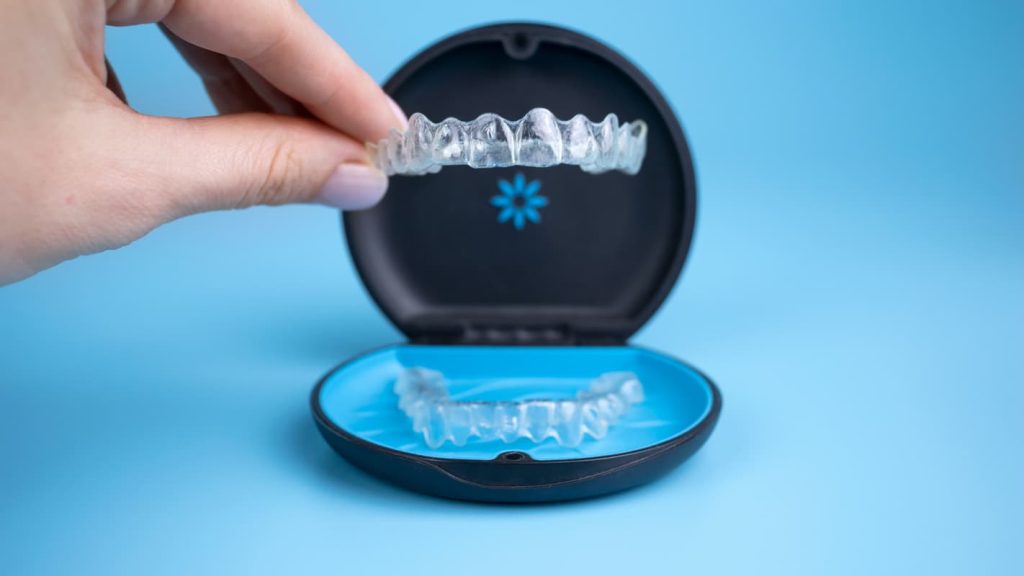
Invisalign treatment begins with digital x-rays and 3D imaging to create a precise plan for your smile transformation. This technology allows you to see your projected results before even starting treatment. Unlike metal braces, Invisalign aligners are removable, making it easier to maintain good oral health by allowing normal brushing and flossing.
The treatment process typically involves wearing each set of aligners for 1-2 weeks before moving to the next set. Most patients visit their dentist every 6-8 weeks to monitor progress and receive new aligners. While Invisalign works well for many orthodontic issues, some complex cases may still require traditional braces for optimal results.
What You Should Know About Invisalign Before Starting Treatment
Invisalign offers a modern approach to straightening teeth without the metal brackets and wires of traditional braces. Before beginning your clear aligner journey, there are several important factors to consider.
What Makes Invisalign Different
Invisalign uses a series of custom-made, clear plastic aligners to gradually shift teeth into proper position. Unlike metal braces, these removable aligners are nearly invisible, allowing patients to straighten teeth discreetly.
Patients must wear aligners for 20-22 hours daily, removing them only for eating, drinking anything besides water, and oral hygiene. This flexibility represents a major advantage over fixed braces.
Many patients don’t realize Invisalign often requires small tooth-colored “attachments” bonded to certain teeth. These help the aligners grip and move teeth more effectively.
Treatment typically takes 12-18 months, depending on case complexity. Patients switch to new aligners approximately every 1-2 weeks.
The removable nature means responsibility falls on patients. Consistent wear directly impacts results and treatment timeline.
Candidacy: Who Invisalign Works Best For
Invisalign offers an effective solution for many dental alignment issues, but not everyone is an ideal candidate for this treatment option. The right patient profile and specific dental conditions play crucial roles in treatment success.
Outline Ideal Patient Profiles
Invisalign works best for teenagers and adults with mild to moderate orthodontic problems. Ideal candidates typically have:
- Good oral health with no active gum disease
- Commitment to wearing aligners 20-22 hours daily
- Responsibility to maintain proper cleaning routines
- Moderate cases of overbite, underbite, or crossbite
- Gaps between teeth that need closing
- Mild to moderate overcrowding issues
Adults appreciate Invisalign’s discreet appearance during professional settings. Teens can benefit from special “Invisalign Teen” options with compliance indicators and replacement aligners.
Patients who follow instructions carefully generally see the best results. Those with the discipline to remove aligners only when eating and for oral hygiene tend to complete treatment on schedule.
Explain When Invisalign May Not Be The Right Option
Invisalign has limitations and isn’t suitable for everyone. Patients should consider alternative treatments when facing:
- Severe orthodontic problems requiring complex tooth movement
- Significant rotational issues or severely tipped teeth
- Major bite problems or substantial jaw misalignment
- Advanced gum disease or untreated cavities
- Missing multiple teeth or having dental bridges
- Severe open bite or extreme overcrowding
Not Recommended For:
- Young children whose teeth are still developing
- Patients unable to commit to 20+ hours of daily wear
- Those requiring vertical tooth movements
- Cases involving severe crossbite
Treatment success depends on patient compliance. Individuals who might struggle with consistently wearing aligners should consider fixed braces instead.
Encourage Professional Evaluation Over Self-Diagnosis
Only a qualified dental professional can determine if Invisalign suits your needs. During a consultation, dentists:
- Take detailed impressions or 3D scans of your teeth
- Evaluate your bite relationship and jaw alignment
- Assess tooth positioning and movement requirements
- Review your dental history and current oral health
- Discuss lifestyle factors that might impact treatment
Self-diagnosis often leads to unrealistic expectations. What appears as simple crowding might involve complex root positioning issues only visible through professional imaging.
Many dental offices offer free initial consultations. These appointments provide valuable insights without financial commitment. Remember that experienced providers can better predict outcomes based on hundreds of previous cases.
Quick Self-Assessment Quiz
Is Invisalign Right for You? Consider these questions:
- Do you have mild to moderate alignment issues?
- Gaps, slight overcrowding, and minor bite issues
- Can you commit to the treatment requirements?
- Wearing aligners 20-22 hours daily
- Removing only for eating and cleaning
- Changing aligners as scheduled
- Are your teeth and gums healthy?
- Free from active decay or periodontal disease
- Regular dental checkups are maintained
- Age considerations:
- Teens: Are all permanent teeth present?
- Adults: Any bone density concerns?
Red flags that might indicate traditional braces would work better include teeth requiring significant rotation, large gaps needing closure, or severe bite correction.
This quiz offers preliminary guidance, but professional evaluation remains essential for accurate treatment planning.
What Your First Weeks Will Really Be Like

The initial period with Invisalign involves adjustment as your mouth adapts to the aligners while you establish new oral care routines.
What Patients Can Expect In The First Few Days
Most patients notice the aligners feel snug and slightly uncomfortable when first inserted. This pressure indicates the aligners are working properly to shift teeth. The trays may feel bulky or strange in your mouth, but this sensation typically diminishes within 3-5 days.
Removing aligners proves challenging for many new users. We recommend practicing this skill in our office before leaving your appointment. A removal tool can help if you struggle with this task.
Daily routines change significantly. You’ll need to:
- Remove aligners before eating or drinking anything except water
- Brush teeth after every meal before reinserting aligners
- Clean the aligners each time they’re removed
- Wear aligners 20-22 hours daily for optimal results
Many patients report feeling more aware of their oral hygiene during treatment, which becomes a positive long-term habit.
Common Discomforts And How To Manage Them
Temporary Pain: Most patients experience mild discomfort during the first 2-4 days with new aligners. This typically feels like pressure rather than sharp pain. Over-the-counter pain relievers like acetaminophen can help manage this discomfort.
Irritated Gums or Cheeks: Aligners sometimes have edges that may irritate soft tissues. Dental wax can cover rough spots until your mouth adjusts. If irritation persists, contact our office for adjustments.
Increased Saliva: Your mouth may produce more saliva initially, which usually normalizes within a week.
Hunger Changes: Some patients report reduced snacking due to the inconvenience of removing aligners, which can be an unexpected benefit for some.
Treatment discomfort decreases significantly after the first week and with each new set of aligners as patients adapt to the process.
Speech Changes And How Long They Typically Last
A slight lisp is common when first wearing Invisalign aligners. This occurs because your tongue must adapt to speaking with the trays in place. Most patients report their speech returns to normal within 3-7 days as their tongue adjusts to the aligners’ presence.
Certain sounds like “s” and “th” may be more challenging initially. Practice helps significantly—try reading aloud for 5-10 minutes daily to speed adjustment.
Important points about speech changes:
- They’re temporary and resolve with practice
- Most noticeable to you rather than others
- Improve dramatically after the first week
- Virtually disappear by the second week for most patients
Some patients find their speech clearest when aligners are firmly seated, so ensure they’re properly in place before important conversations or presentations.
Daily Life With Invisalign
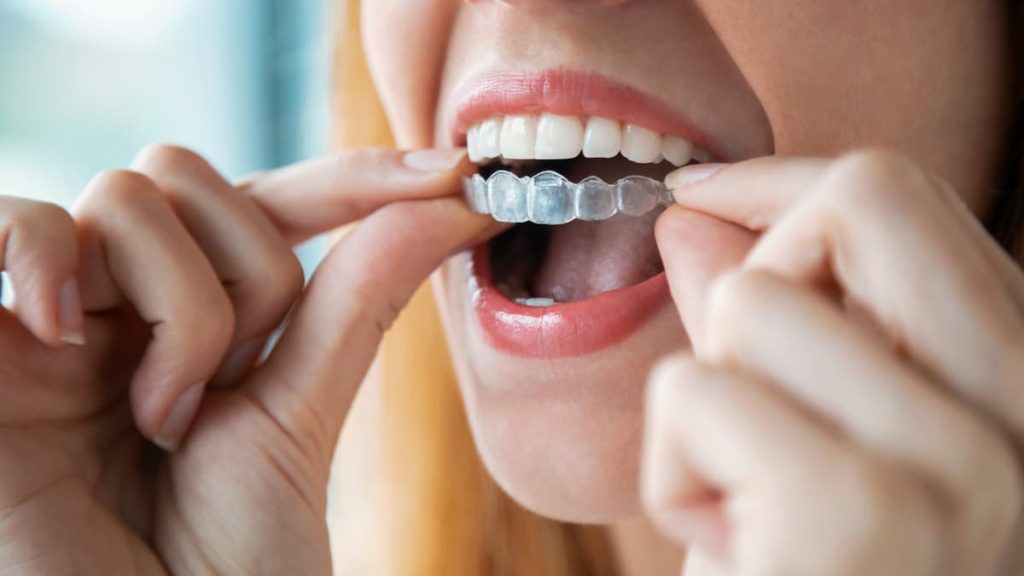
Living with Invisalign means adapting to new routines that become second nature over time. The clear aligners offer flexibility while requiring certain habits for successful treatment.
Wear-Time Requirements
Invisalign aligners must be worn 20-22 hours daily for optimal results. This leaves only 2-4 hours for eating, drinking, and oral hygiene.
Many patients find it helpful to set timer reminders on their smartphones when aligners are removed. This prevents accidentally leaving them out too long.
Your treatment timeline depends directly on consistent wear. Skipping even a few hours can delay progress significantly.
The aligners should only be removed for:
- Eating meals
- Drinking anything except plain water
- Brushing and flossing
- Special occasions (briefly)
Most patients adjust to this schedule within the first week of treatment.
How Invisalign Affects Eating, Drinking, And Social Situations
Invisalign creates fewer dietary restrictions than traditional braces. Since aligners are removed for eating, you can enjoy most foods without worry.
Always remove aligners before consuming anything except plain water. Hot beverages can warp the plastic, while colored drinks may stain them permanently.
Social situations become easier to navigate with some planning:
- For short events, consider keeping aligners in
- For meals, discreetly remove them in a restroom
- Carry a small case and travel toothbrush for quick cleaning
Many patients find their speech adjusts within 3-5 days of starting treatment. Any initial lisp typically disappears quickly with practice.
Coffee lovers should plan to reduce sipping time or switch to iced versions that cool quickly, allowing aligners to go back in sooner.
Tips For Storing And Transporting Aligners Discreetly
Never wrap aligners in napkins! This common mistake leads to lost aligners and treatment delays.
Always use the official case provided by your dentist. Keep a spare case in your bag, car, or desk drawer for unexpected situations.
Cleaning options for on-the-go include:
- Invisalign cleaning crystals
- Gentle antimicrobial soap and cool water
- Denture cleaning tablets (in emergencies)
Consider purchasing a small pouch that holds your case, travel toothbrush, and toothpaste. This keeps everything organized and discrete.
Store aligners away from heat sources like car dashboards or direct sunlight. Extreme temperatures can permanently warp the plastic.
During air travel, keep aligners in your carry-on luggage to prevent loss or damage.
Cleaning And Maintenance

Keeping Invisalign aligners clean is essential for both your oral health and the effectiveness of your treatment. Proper maintenance prevents staining, odors, and bacterial buildup.
How To Properly Clean Aligners And Avoid Common Mistakes
Rinse aligners with lukewarm water every time you remove them. Hot water can warp the plastic, changing their shape and effectiveness. Never use toothpaste on aligners as the abrasive ingredients can create tiny scratches where bacteria hide.
Soak aligners once daily for 15-30 minutes in a cleaning solution. Denture cleaners, Invisalign cleaning crystals, or a mixture of half water and half hydrogen peroxide work well.
Common mistakes include:
- Using colored or scented soaps (can stain or leave taste)
- Leaving aligners exposed to air (causes drying and bacterial growth)
- Cleaning with colored mouthwash (may stain the clear plastic)
- Eating or drinking anything except water while wearing aligners
Always store aligners in their case when not in your mouth to prevent loss or damage.
Tools And Products To Consider
A soft-bristled toothbrush dedicated solely to cleaning your aligners is essential. Use it gently without toothpaste to remove debris and plaque.
Recommended cleaning products:
- Invisalign Cleaning Crystals
- EverSmile WhiteFoam
- Retainer Brite tablets
- Clear antimicrobial soap (unscented)
An ultrasonic cleaner can be a worthwhile investment for thorough cleaning. These devices use sound waves to remove particles from aligners in just minutes.
Travel-sized cleaning kits are handy for maintaining hygiene on the go. Include a small container of cleaning solution and a travel toothbrush in your bag or car.
Aligner removal tools help you take out trays without using fingernails, which can damage the plastic or introduce bacteria.
Importance Of Brushing And Flossing After Meals
Brushing after every meal before reinserting aligners is crucial for dental care. Food particles trapped between teeth and aligners create perfect conditions for cavity-causing bacteria.
Carry a travel toothbrush and toothpaste for cleaning on the go. If brushing isn’t possible, at minimum rinse your mouth thoroughly with water before putting aligners back in.
Flossing removes food particles from between teeth that brushing can’t reach. This prevents cavities in hard-to-reach places and reduces bad breath.
Neglecting oral hygiene during Invisalign treatment can lead to:
- Cavities developing under aligners
- Gum inflammation and recession
- Bad breath despite clean aligners
- Stained teeth when treatment concludes
Remember that aligners fit snugly against teeth, so any food debris left behind becomes trapped in this enclosed environment.
Treatment Timeline And Milestones
Invisalign treatment follows a predictable timeline with several key milestones that patients should anticipate. The journey to a straighter smile requires commitment and understanding of what happens at each stage.
General Overview Of Treatment Length
Most Invisalign treatments take between 12-18 months to complete, though simple cases may finish in as little as 6 months. Complex cases might extend beyond 24 months. The initial consultation provides patients with a customized treatment plan and estimated timeline.
Each patient receives a series of clear aligners designed to gradually shift teeth into proper position. Most patients need between 20-30 sets of aligners throughout their treatment.
The Invisalign system typically moves teeth at a rate of about 0.25mm per aligner. Patients generally wear each set for 1-2 weeks before progressing to the next.
Tooth movement occurs in phases, with some teeth moving earlier in treatment while others shift later according to the strategic plan designed by your dentist.
Importance Of Keeping Appointments And Changing Trays On Schedule
Consistent wear of 20-22 hours daily is crucial for successful treatment. Removing aligners for more than 4 hours daily can significantly delay progress and extend treatment time.
Missing scheduled appointments can disrupt the treatment sequence and postpone milestone achievements. Most patients have check-in visits every 6-8 weeks to ensure teeth are tracking properly.
Dentists monitor progress during these appointments and may adjust the treatment plan if needed. Digital scans might be taken to compare actual tooth movement with the projected timeline.
Switching trays too early can prevent proper tooth movement, while delaying tray changes extends overall treatment unnecessarily. Follow your dentist’s exact instructions for optimal results.
Warning signs that require immediate attention:
- Aligners that don’t fit properly
- Excessive pain beyond normal discomfort
- Visible gaps between aligners and teeth
- Lack of noticeable progress
Explanation Of Refinements And Their Impact
Refinements are additional aligners prescribed after the initial series to perfect tooth positioning. About 70% of Invisalign patients require at least one round of refinements to achieve optimal results.
These mid-treatment adjustments aren’t setbacks but rather fine-tuning opportunities. Refinements address stubborn tooth movements or correct any deviations from the original plan.
Digital scans capture your current tooth positions, and new aligners are created to complete the desired movements. The refinement process typically adds 1-3 months to the overall treatment timeline.
Some teeth naturally respond more slowly to pressure and may need extra time. Posterior teeth and rotated teeth often require refinements to achieve ideal positions.
Patients shouldn’t be discouraged by refinements—they demonstrate your dentist’s commitment to delivering perfect results rather than settling for “almost there.”
What It Costs—And What’s Covered
Invisalign treatment represents a significant investment in your dental health and smile. The cost varies based on several factors, while multiple payment options exist to make treatment more accessible.
Typical Invisalign Cost Ranges And Pricing Factors
Invisalign treatment typically costs between $3,000 and $8,000 in Northern Virginia. The final price depends on your specific dental needs.
Simple alignment cases fall on the lower end, while complex issues requiring longer treatment reach the higher range. The number of aligners needed directly affects cost—more aligners mean more expense.
Your dentist’s experience level and location also influence pricing. Offices in metropolitan areas like Fairfax or Reston might charge more than rural practices.
Many dental offices offer free initial consultations to provide accurate cost estimates. Always request an itemized treatment plan that includes all fees—from initial scans to retainers.
Insurance Coverage And FSA/HSA Eligibility
Dental insurance may cover Invisalign similar to traditional braces, typically between 25% and 50% of costs up to a lifetime maximum of $1,500-$3,000.
Insurance coverage factors:
- Policy maximums
- Orthodontic coverage specifics
- Age limitations (some plans only cover patients under 19)
- Waiting periods for new policies
Invisalign qualifies as an eligible expense for both Flexible Spending Accounts (FSA) and Health Savings Accounts (HSA). This provides tax advantages when paying for treatment.
Many dental offices handle insurance verification for you. Bring your insurance information to your consultation for the most accurate coverage estimate.
Flexible Financing Options
Most dental practices offer payment plans to make Invisalign more affordable. Monthly payments typically range from $150 to $250 over 12-24 months.
CareCredit, a healthcare credit card, provides specific dental financing with 0% interest options if paid within promotional periods (usually 6-24 months). Application decisions often come within minutes.
In-house payment plans may require:
- Down payment (typically 25-30%)
- Monthly automatic payments
- Credit check (varies by office)
Some offices offer discounts for paying in full upfront, usually 5-10% off the total treatment cost. Military families, students, and seniors might qualify for additional discounts at select practices.
After Invisalign: Retainers And Long-Term Results

Completing Invisalign treatment is a major milestone, but maintaining those perfect results requires ongoing care. Retainers play a crucial role in preserving your newly aligned smile for years to come.
Importance Of Retainers In Maintaining Results
Teeth naturally shift throughout life, even after orthodontic treatment. Without retainers, your teeth will gradually move back toward their original positions. This phenomenon, called relapse, can undo months or years of Invisalign treatment.
Retainers work by holding teeth in their new positions while the surrounding bone and tissues stabilize. Most patients are surprised to learn that this stabilization process takes significant time.
Studies show that wearing retainers as directed can preserve alignment for decades. Conversely, skipping retainer use often leads to noticeable shifting within weeks.
Many patients invest thousands in Invisalign treatment but neglect this critical maintenance step. For lasting results, retainers aren’t optional—they’re essential.
Types Of Retainers And Frequency Of Use
Several retainer options exist for post-Invisalign care:
Fixed (bonded) retainers: Thin metal wires permanently attached behind front teeth. Advantages include:
- No need to remember to wear them
- Invisible from the front
- Continuous protection against shifting
Removable retainers: Come in two main types:
- Clear plastic retainers (similar to Invisalign trays)
- Hawley retainers (acrylic with metal wires)
Initially, most patients wear removable retainers 22 hours daily for 3-6 months. This schedule gradually reduces to nighttime-only wear, which typically continues indefinitely.
Some patients benefit from a combination approach—fixed retainers for front teeth plus removable retainers for nighttime use.
Long-Term Patient Expectations
After Invisalign, patients can expect their teeth to remain straight if proper retainer protocols are followed. Small adjustments may occasionally be needed over time.
Retainers should be part of daily oral hygiene routines. Clean them regularly to prevent bacteria buildup and odors. Avoid hot water, which can warp plastic retainers.
Replace retainers when they become worn, cracked, or no longer fit properly. Most last 2-5 years with proper care.
Some patients notice minor tooth movement years later, especially if retainer use becomes inconsistent. Quick intervention with temporary full-time retainer wear often solves these minor shifts.
Annual dental checkups should include retainer assessment to catch and address any issues early.
The Next Step: Start Your Invisalign Journey
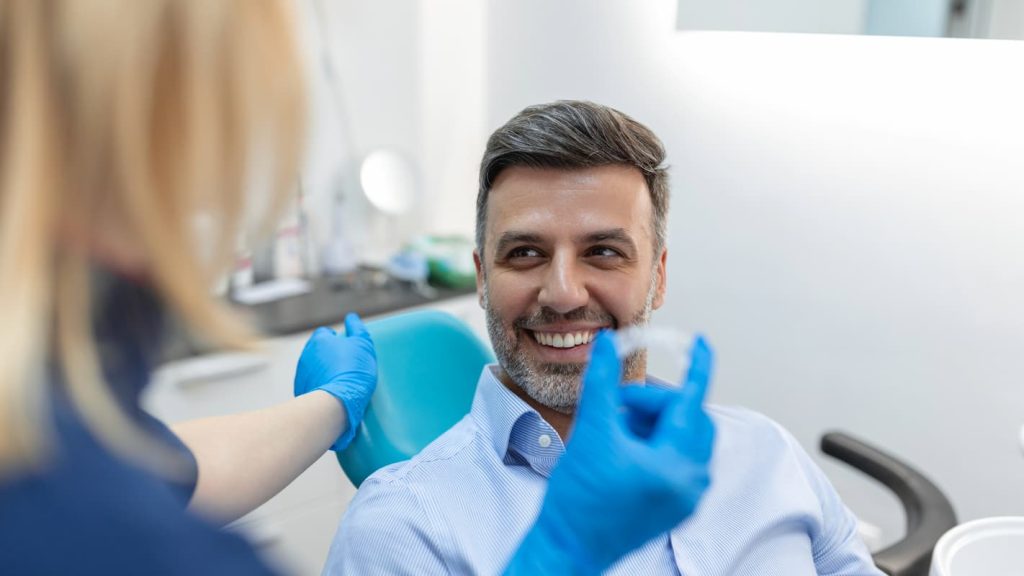
Ready to transform your smile with Invisalign? The path to straighter teeth begins with a consultation at Optimal Dental Center.
During this first visit, our dentists will examine your teeth and discuss your smile goals. We’ll take digital scans of your mouth—no messy impressions needed!
What to expect after your consultation:
- Custom treatment plan creation
- Preview of your future smile with 3D imaging
- Financial discussion and insurance verification
Most patients receive their first set of aligners within 2-3 weeks. The dental team will provide detailed instructions on wearing and caring for your aligners.
Remember to wear your aligners 20-22 hours daily for best results. Only remove them for eating, drinking anything besides water, and cleaning.
Regular check-ups every 6-8 weeks help monitor your progress. These quick appointments ensure your teeth are moving as planned.
| Treatment Phase | Timeframe | Key Activities |
|---|---|---|
| Consultation | 1 hour | Examination, scans, questions |
| Aligner Delivery | 30 minutes | Fitting, care instructions |
| Check-ups | 15-20 minutes | Progress assessment |
Many patients see noticeable improvements within just a few months. Your total treatment time depends on your specific case.
Take the first step toward your new smile today by calling Optimal Dental Center to schedule your Invisalign consultation.
Frequently Asked Questions
People considering Invisalign often have similar questions about the treatment process, expectations, and potential issues they might encounter.
What should I expect during the first week of Invisalign treatment?
The first week with Invisalign aligners typically involves an adjustment period. Many patients experience mild discomfort or pressure on their teeth, which indicates the aligners are working to shift teeth into position.
Speech may be slightly affected initially, with some patients noticing a temporary lisp. This usually resolves within a few days as the tongue adjusts to the aligners.
Patients should expect to practice removing and inserting their aligners during this period. The process becomes easier with time and practice.
Can Invisalign aligners be only worn at night?
No, Invisalign aligners must be worn for 20-22 hours daily to be effective. Wearing them only at night would not provide enough consistent pressure for proper tooth movement.
The aligners work by applying gentle, constant force to shift teeth gradually. This continuous pressure is critical to the treatment’s success.
Patients who cannot commit to full-time wear should discuss alternative options with their dentist.
What are the potential drawbacks of using Invisalign compared to traditional braces?
Compliance requirements represent a significant drawback, as Invisalign success depends heavily on patient discipline to wear aligners for 20-22 hours daily.
Invisalign may not be suitable for complex orthodontic issues that traditional braces can address, such as severe rotations or significant bite problems.
The cost of Invisalign treatment can be higher than traditional braces in some cases, though prices vary by location and individual treatment needs.
Aligners must be removed for eating and drinking anything besides water, which some patients find inconvenient in social situations.
How long does the entire Invisalign treatment typically take?
The average Invisalign treatment lasts between 12-18 months, though simple cases may finish in as little as 6 months. More complex cases might require up to 24 months.
Treatment duration depends on several factors including the complexity of tooth movement needed, patient compliance with wearing aligners, and individual response to treatment.
Most patients change to new aligners every 1-2 weeks as directed by their dentist, with progress checks typically scheduled every 6-8 weeks.
Are there any risks associated with the materials used in Invisalign aligners?
Invisalign aligners are made from a patented thermoplastic material called SmartTrack®, which has been FDA-approved and is BPA-free. Allergic reactions are extremely rare.
Some patients report initial irritation of gums, tongue, or cheeks from the edge of aligners, though this typically subsides as patients adjust to treatment.
The material is designed specifically for dental use and has undergone extensive testing for biocompatibility and safety in the mouth.
What steps should one take if teeth are not perfectly aligned after completing Invisalign treatment?
Refinements are often part of the Invisalign process. If teeth aren’t perfectly aligned after the initial treatment plan, dentists can order additional aligners to make further adjustments.
Patients should communicate any concerns about their final results promptly to their dentist rather than waiting too long after treatment completion.
Wearing retainers as prescribed after treatment is crucial to maintain results and prevent teeth from shifting back toward their original positions.
In some cases, a different treatment approach might be recommended if Invisalign refinements aren’t achieving the desired outcome.
