
- Fairfax: 703.226.2222
- Reston: 703.391.2222
- Set Up An Appointment


May, 2025
Thinking about straightening your teeth with Invisalign? Many patients wonder about the time commitment before seeing results. So, how long does Invisalign take to straighten your smile?
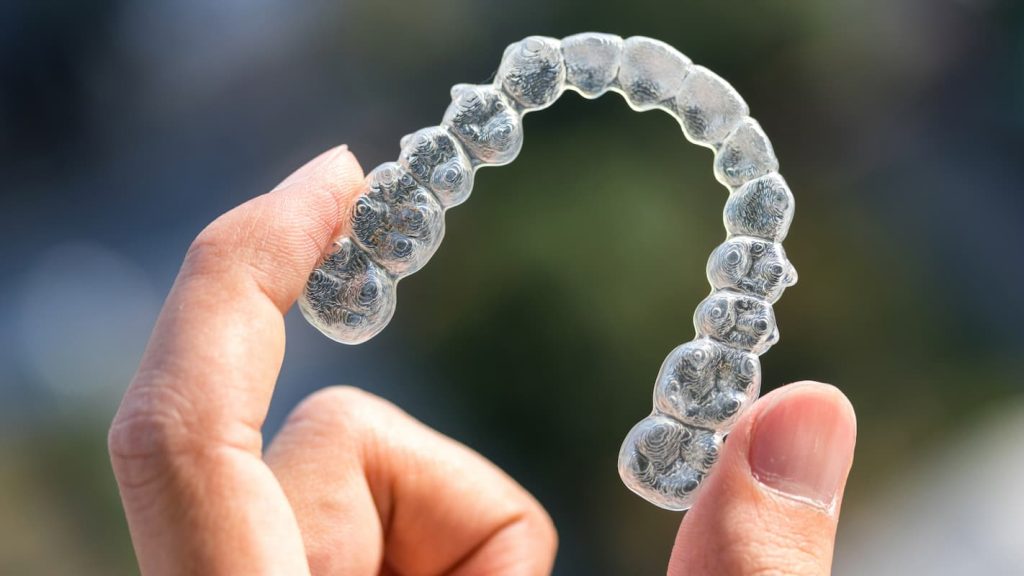
Invisalign treatment typically takes between 12 to 18 months for most adults, though simple cases may finish in 6 months while complex alignment issues can require up to 24 months. The exact timeline depends on several factors including the severity of your dental misalignment, your age, and how consistently you wear the aligners.
Your treatment speed also depends on how well you follow instructions. Wearing your aligners for the recommended 20-22 hours daily and changing to new trays as directed will help you stay on schedule. During your consultation at Optimal Dental Center, our Reston and Fairfax dental team will provide a personalized estimate for your specific situation.
How Long Is Invisalign?
Invisalign treatment typically takes about 6 to 12 months, although the exact duration varies based on your alignment needs, treatment complexity, and how consistently you wear your aligners.
Overview Of Invisalign Treatment Options And Estimated Timelines
Invisalign offers several treatment options tailored to different dental needs, with treatment times varying based on complexity and patient compliance.
Ideal Candidates
Invisalign works best for teens and adults with mild to moderate alignment issues. The system effectively treats overbites, underbites, crossbites, gap teeth, and crowded teeth.
Not everyone qualifies for Invisalign. Patients with severe jaw misalignment or complex orthodontic issues might need traditional braces instead.
The best candidates maintain excellent oral hygiene and demonstrate responsibility. Since aligners are removable, patients must commit to wearing them 20-22 hours daily.
Many patients appreciate that Invisalign is nearly invisible, allowing them to straighten teeth discreetly. This makes the treatment particularly popular among professionals and adults who avoided orthodontic care earlier in life.
Number Of Aligners
The total number of aligners varies significantly from patient to patient. Simple cases might require as few as 12-20 aligners, while complex cases can need 40+ sets.
Each SmartTrack aligner is custom-made for your teeth using 3D digital technology. This advanced material provides better tooth control and more predictable results than older materials.
Patients typically wear each set of clear aligners for 1-2 weeks before progressing to the next. Your dentist will determine the exact schedule based on your treatment plan.
Some patients qualify for Invisalign Express, which uses 5-10 aligners for minor corrections. Others need Invisalign Full for comprehensive treatment, using 20-30+ aligners.
Estimated Duration
Most Invisalign treatments take between 6-18 months to complete. Simple cases involving minor corrections might finish in 6 months or less.
More complex orthodontic treatments typically require 12-18 months. Severe misalignments can take up to 24 months. Your dentist will provide a personalized timeline during your consultation.
Treatment speed depends heavily on compliance. Patients who wear their aligners consistently for the recommended 20-22 hours daily see faster results than those who don’t.
Invisalign Teen includes built-in compliance indicators to help parents monitor usage. These blue dots fade with proper wear, ensuring teens stay on track with their treatment.
After completing the active phase, most patients need retainers to maintain their new smile and prevent teeth from shifting back to their original positions.
Factors Influencing Invisalign Treatment Length
Several key elements determine how long your Invisalign treatment will take. The timeline varies significantly from person to person based on unique dental needs and circumstances.
Complexity Of Dental Issues
The severity of your dental issues significantly impacts treatment duration. Mild crowded teeth or minor spacing issues might require only 6-12 months of treatment. However, more complex orthodontic cases can extend treatment to 18-24 months or longer.
Specific conditions like:
- Severe crossbite
- Significant underbite
- Pronounced open bite
- Extensive tooth movement needs
These conditions require more time to correct properly. For instance, bite correction for an underbite typically takes longer than fixing simple alignment issues. The movement pattern needed for each tooth must be carefully planned in stages, as teeth can only shift a certain amount with each aligner set.
Patient Compliance
Your commitment to the treatment plan plays a crucial role in Invisalign’s effectiveness. Aligners must be worn 20-22 hours daily for optimal results. Removing them for more than the recommended 2-4 hours can significantly delay progress.
Key compliance factors include:
- Consistent wear time: Taking aligners out too frequently extends treatment
- Following the schedule: Changing to new aligners as directed
- Regular appointments: Attending check-ups to monitor progress
Patients who follow instructions precisely often finish treatment on schedule or even earlier than expected. Those who frequently remove aligners or skip wearing them might add months to their treatment timeline.
Age
Age affects how quickly teeth respond to Invisalign treatment. Teenagers and young adults typically experience faster tooth movement because their jawbones are still developing and more malleable.
Adults over 35 may notice:
- Slower initial tooth movement
- Longer overall treatment times
- Need for more aligners to achieve the same results
This happens because adult bone tissue remodels more slowly around shifting teeth. However, this doesn’t mean adults can’t achieve excellent results—it simply might take 3-6 months longer compared to younger patients with similar dental issues.
Biological Response
Each person’s body responds differently to orthodontic treatment. Biological factors that affect Invisalign timelines include:
- Bone density: Denser bone structure may slow tooth movement
- Metabolism: Affects how quickly tissues respond to pressure
- Oral health: Gum disease or other dental issues can complicate treatment
Some patients naturally experience faster tooth movement due to their unique biology. Others might have biological factors that slow the process despite perfect compliance. Dental professionals cannot fully predict these individual variations before treatment begins.
Need For Refinements
Many Invisalign treatments require refinements—additional aligners beyond the initial set to perfect the final result. These refinements address:
- Stubborn tooth movement that didn’t fully complete
- Minor adjustments to bite alignment
- Final spacing issues between teeth
About 70% of cases need at least one round of refinements, adding 1-3 months to treatment. Complex bite correction, particularly for crossbite or open bite cases, often requires refinement phases.
The good news? Refinements ensure your final smile looks its absolute best, even if it means wearing aligners a bit longer than initially expected.
The Invisalign Treatment Process: Step-By-Step
The path to a straighter smile with Invisalign follows a structured process that combines professional expertise with customized treatment planning. Each patient’s journey is unique but follows these essential phases.
Initial Consultation
The Invisalign journey begins with a comprehensive consultation at the dental office. During this visit, the orthodontist examines the patient’s teeth, gums, and overall oral health. They use advanced 3D scanning technology instead of traditional messy impressions to create a digital model of the teeth.
The orthodontist discusses:
- Treatment goals and expectations
- Potential timeline based on individual needs
- Cost estimates and payment options
- Insurance coverage possibilities
Many patients appreciate seeing a digital preview of their potential results through the ClinCheck® software. This technology shows a simulation of how teeth will move throughout treatment, helping patients visualize their future smile.
Aligner Fabrication
After approving the treatment plan, the dental office sends the digital impressions to Invisalign’s laboratory. There, technicians create a series of custom aligners using advanced 3D printing technology.
Each aligner is:
- Made from SmartTrack® material – a clear, flexible thermoplastic
- Trimmed precisely to fit the patient’s gum line
- Designed to apply specific forces to gradually shift teeth
The fabrication process typically takes 2-3 weeks. Once complete, the orthodontist receives the full set of aligners, ready for the patient to begin treatment. Some dental offices offer same-day aligners for certain cases, though this is less common.
Active Treatment
The active phase begins when patients receive their first set of aligners. They must wear the aligners 20-22 hours daily, removing them only for eating, drinking anything besides water, and oral hygiene.
Each aligner is typically worn for 1-2 weeks before progressing to the next in the series. Regular check-ups occur every 6-10 weeks to monitor progress and receive new sets of aligners if needed.
Patients often notice:
- Initial pressure when switching to new aligners
- Gradual shifting of teeth within 3-4 months
- Improved alignment as treatment progresses
The orthodontist might attach small tooth-colored “buttons” to certain teeth. These attachments help the aligners grip the teeth better for more precise movement.
Refinements
After completing the initial set of aligners, the orthodontist evaluates the results. If teeth haven’t moved exactly as planned, refinement aligners may be necessary. About 70% of patients require some refinements for optimal results.
Refinement involves:
- Taking new digital scans of the current tooth positions
- Creating additional aligners to address specific areas
- Wearing these supplemental aligners for several more weeks
This fine-tuning phase ensures teeth reach their ideal positions. The number of refinement aligners varies based on individual needs, ranging from just a few to a dozen or more. Refinements are typically included in the original treatment cost.
Retention
The retention phase is crucial for maintaining the newly aligned smile. Without proper retention, teeth tend to shift back toward their original positions.
Most orthodontists recommend:
- Wearing retainers full-time for the first 3-6 months
- Transitioning to nighttime-only wear afterward
- Replacing retainers every 1-2 years due to wear
Retainer options include clear plastic ones similar to Invisalign aligners or bonded wire retainers attached behind the teeth. Many patients choose a combination of both for maximum security.
Regular dental check-ups help ensure the retention plan continues working effectively. Proper retention truly is a lifelong commitment to preserving that beautiful new smile.
Tips To Stay On Schedule And Potentially Shorten Treatment Time
Your actions and habits can significantly impact your Invisalign treatment timeline. Following these recommendations may help you stay on track or even reduce your overall treatment duration.
Consistent Wear
Invisalign aligners require 20-22 hours of daily wear for optimal results. Many patients who extend their treatment time simply aren’t wearing their aligners enough.
Remove aligners only when:
- Eating meals
- Brushing and flossing
- Drinking hot beverages
- Playing certain sports
Some patients try to “make up” for missed hours by wearing aligners longer later. This approach doesn’t work. The teeth move gradually in response to consistent pressure, not sporadic intense pressure.
Many dentists now recommend tracking apps that send reminders about when to put aligners back in. These digital tools help patients stay accountable.
A simple trick: set a timer whenever you remove your aligners. This prevents the common problem of forgetting them after meals.
Oral Hygiene
Poor oral hygiene can slow treatment progress significantly. Bacteria and plaque buildup create obstacles to tooth movement.
Essential daily practices:
- Brush teeth after every meal
- Floss at least once daily
- Clean aligners thoroughly twice daily
- Rinse aligners when removed
Never skip cleaning your aligners. Dirty aligners harbor bacteria that can cause cavities and gum inflammation. Both conditions can pause your treatment.
Avoid cleaning aligners with hot water, as this may warp the plastic. Instead, use cool water and gentle soap or specialized Invisalign cleaning crystals.
Many Northern Virginia patients find ultrasonic cleaners helpful for maintaining pristine aligners. These devices use sound waves to remove particles and bacteria without damaging the plastic.
Follow-Up Appointments
Missing scheduled check-ups extends treatment time unnecessarily. These appointments allow your dentist to:
- Verify teeth are tracking properly
- Address any emerging issues promptly
- Make adjustments to your treatment plan
- Provide new sets of aligners
Even if your teeth feel fine, invisible problems may be developing. Only professional evaluation can catch these early.
Many dental offices now offer virtual check-ins between appointments. These quick digital reviews help ensure treatment stays on course without requiring an office visit.
If you notice any issues between appointments—like an aligner that doesn’t fit properly—contact your dentist immediately. Waiting could add weeks to your treatment timeline.
Lifestyle Considerations
Small daily habits can impact your Invisalign progress significantly. Making smart choices helps maintain momentum.
Avoid chewing gum while wearing aligners. It sticks to the plastic and creates hygiene issues. The chewing motion may also damage the aligners over time.
Smoking stains aligners quickly, making them more visible. It also restricts blood flow to gums, potentially slowing tooth movement.
Stay hydrated! Proper hydration supports healthy gum tissue, which facilitates tooth movement. Just remember to remove aligners when drinking anything besides plain water.
Some patients find that using approved acceleration devices like VPro5 or AcceleDent may help speed up treatment. These devices use gentle vibrations to potentially enhance tooth movement, though results vary by individual.
Post-Treatment: Maintaining Your New Smile
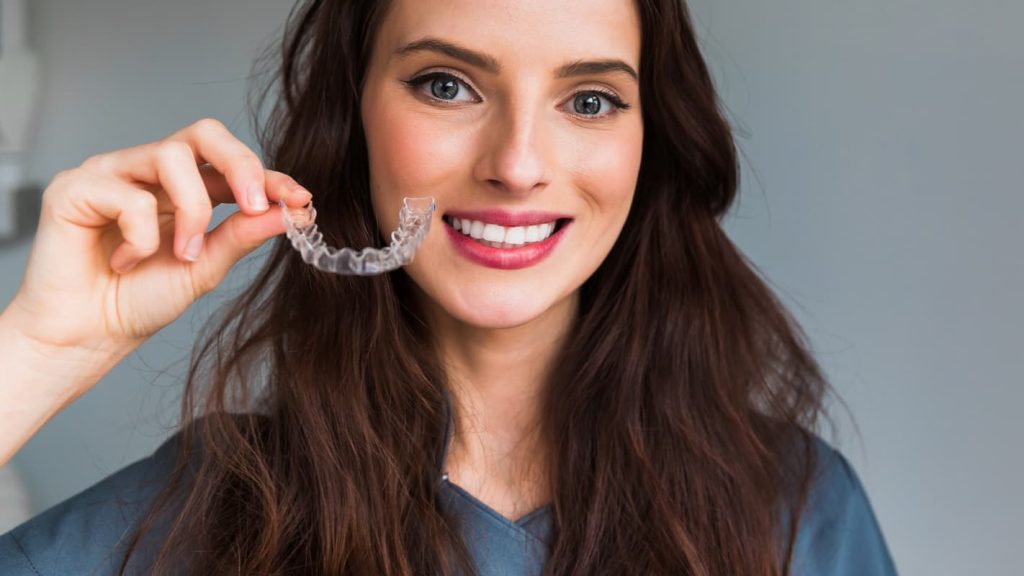
After completing Invisalign treatment, maintaining your straight smile becomes the top priority. The retention phase is just as important as the active treatment phase.
Most patients need to wear retainers full-time for the first 3-6 months after treatment. This helps your teeth settle into their new positions properly.
Types of Retainers:
- Clear plastic retainers (similar to Invisalign trays)
- Fixed wire retainers (bonded to the back of teeth)
- Hawley retainers (removable with wire and acrylic)
Eventually, you’ll transition to wearing retainers only at night. This nighttime wear is typically recommended indefinitely to prevent teeth from shifting back to their original positions.
Regular dental check-ups are essential during this phase. At Optimal Dental Center, we monitor retention progress at 3, 6, and 12-month intervals after treatment completion.
Clean your retainers daily with a soft toothbrush and mild soap. Avoid hot water as it can warp plastic retainers.
If a retainer becomes damaged or lost, contact your dentist immediately. Going without a retainer for even a few days can allow teeth to begin shifting.
Some patients experience minor movement despite consistent retainer use. This is normal and usually just requires a refinement retainer to address.
Remember that maintaining your investment in a beautiful straight smile requires commitment. The effort of wearing retainers is minimal compared to redoing orthodontic treatment later.
Next Steps: Begin Your Invisalign Treatment With Optimal Dental Center
Ready to start your Invisalign journey? Optimal Dental Center in Reston and Fairfax makes the process simple.
Step 1: Initial Consultation
Schedule a free consultation with the Optimal Dental team. They’ll examine your teeth and discuss whether Invisalign is right for you.
Step 2: Custom Treatment Plan
Using 3D imaging technology, the dentists will create a personalized treatment plan showing how your teeth will move throughout the process.
Step 3: Receive Your Aligners
Your custom-made aligners will arrive at Optimal Dental Center. The team will ensure they fit perfectly and provide instructions for use.
Step 4: Regular Check-ins
Visit Optimal Dental Center every 6-8 weeks. These brief appointments allow the dentists to monitor progress and provide new sets of aligners.
Financing Options Available:
- Insurance coverage (where applicable)
- Monthly payment plans
- Flexible spending account options
- Special financing through CareCredit
The award-winning team at Optimal Dental Center has transformed thousands of smiles across Northern Virginia. Their Invisalign specialists combine technical expertise with a caring approach.
Don’t wait to achieve the smile you’ve always wanted. Call Optimal Dental Center today at (703) 555-1234 or visit their website to book your free Invisalign consultation.
Frequently Asked Questions
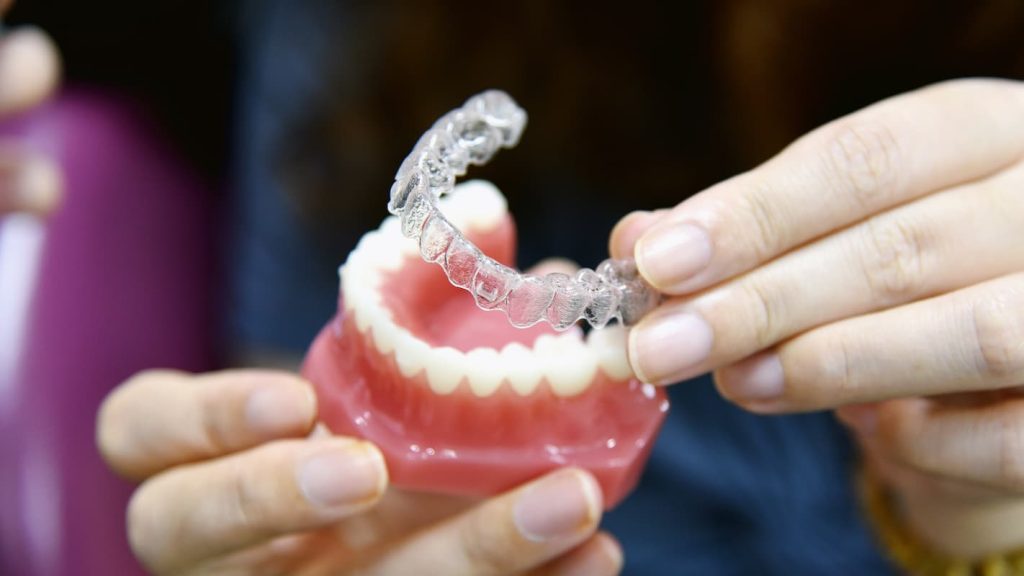
Patients have many specific questions about Invisalign treatment timelines and costs that can affect their decision to proceed with this orthodontic option.
What is the typical timeline for correcting an overbite with Invisalign?
Correcting an overbite with Invisalign typically takes 12-18 months. The exact duration depends on the severity of the overbite.
Some mild cases may see results in as little as 6 months. More complex overbites might require up to 24 months of treatment.
Regular check-ups every 6-8 weeks help monitor progress and make adjustments as teeth shift into proper alignment.
What is the treatment duration for Invisalign when focused on a single tooth?
Single tooth correction with Invisalign generally takes 6-12 weeks. This shorter timeline applies to minor rotations or small movements.
The specific tooth location and degree of correction needed will impact the treatment time. Front teeth often move faster than molars.
Patients still need to wear their aligners for 20-22 hours daily, even for single tooth corrections.
How does the time investment for Invisalign compare with traditional braces?
Invisalign often requires less time than traditional braces for equivalent corrections. While metal braces typically need 18-24 months, Invisalign averages 12-18 months.
Invisalign patients spend less time in the dental chair overall. Adjustment appointments are shorter and less frequent than with traditional braces.
The technology behind Invisalign allows for more precise movement planning, sometimes resulting in more efficient treatment timelines.
What are the expected costs associated with Invisalign treatment?
Invisalign cost typically ranges from $3,000 to $8,000, depending on treatment complexity. This compares to traditional braces which generally cost $2,500 to $6,000.
Many dental insurance plans cover Invisalign similar to how they cover traditional braces, often paying $1,500 to $3,000 of the total cost.
Flexible spending accounts (FSAs) and payment plans offered by dental offices can make the investment more manageable for patients.
How effectively can Invisalign close gaps and what is the estimated time for this process?
Invisalign effectively closes gaps between teeth in about 6-12 months for most cases. Small gaps often close in as little as 3-6 months.
The clear aligners apply consistent pressure to gradually move teeth together. Multiple gaps may require longer treatment times, sometimes up to 18 months.
Retention after gap closure is crucial to prevent teeth from drifting back to their original positions.
Can Invisalign be worn less than the recommended 22 hours per day without compromising the treatment?
Wearing Invisalign less than the recommended 20-22 hours daily will extend treatment time. Even a few extra hours out of the mouth can impact results.
Patients who consistently wear aligners only 16-18 hours daily might experience treatment delays of 2-3 months or more. Some tooth movements may not occur properly with reduced wear time.
The aligners need consistent pressure on teeth to achieve the planned movements. Taking them out too frequently disrupts this process.
