
- Fairfax: 703.226.2222
- Reston: 703.391.2222
- Set Up An Appointment


How Soda Harms Your Teeth and Leads to Tooth Decay
Most people know soda isn’t exactly healthy, but its effect on your teeth is more serious than many realize. From enamel erosion to increased risk of cavities, carbonated drinks can cause a range of long-term oral health problems.
Is soda bad for your teeth? Soda is doubly harmful because it combines high acidity with sugar. The acid weakens your enamel which is the hard, protective outer layer of your teeth while the sugar feeds harmful bacteria that cause decay. Over time, this can lead to sensitivity, discoloration, and even tooth loss.
Many assume diet sodas are a safer option because they’re sugar-free. But don’t be fooled; while they may skip the sugar, they still contain acid. That means they can still wear down enamel and contribute to erosion, even without the added risk of cavities from sugar.
Acid and Sugar: A Double Threat to Your Smile
Soda doesn’t just pose one risk to your teeth; it brings two major offenders: acid and sugar. Each is harmful on its own, but together, they can cause serious damage over time.
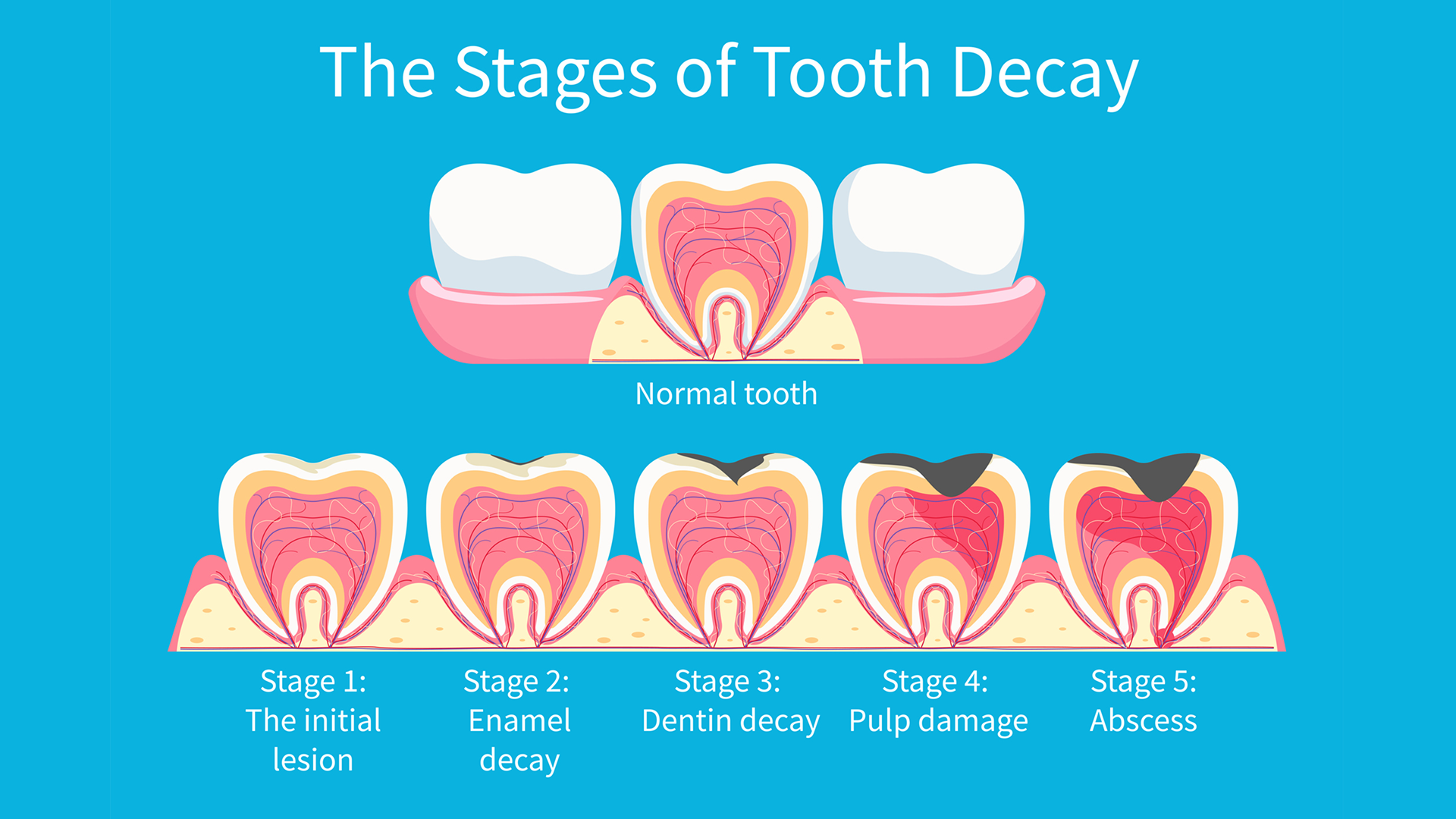
Soda is highly acidic, and that acid starts attacking your enamel the moment it hits your teeth. Enamel is your teeth’s first line of defense. Once it wears away, enamel cannot regenerate. As the enamel thins, your teeth become more vulnerable to damage, sensitivity, and decay. For children with developing teeth, this damage is particularly concerning.
On top of that, soda is packed with sugar; an ideal food source for the bacteria in your mouth. These bacteria produce even more acid as they feed, creating a cycle that further breaks down enamel and leads to cavities.
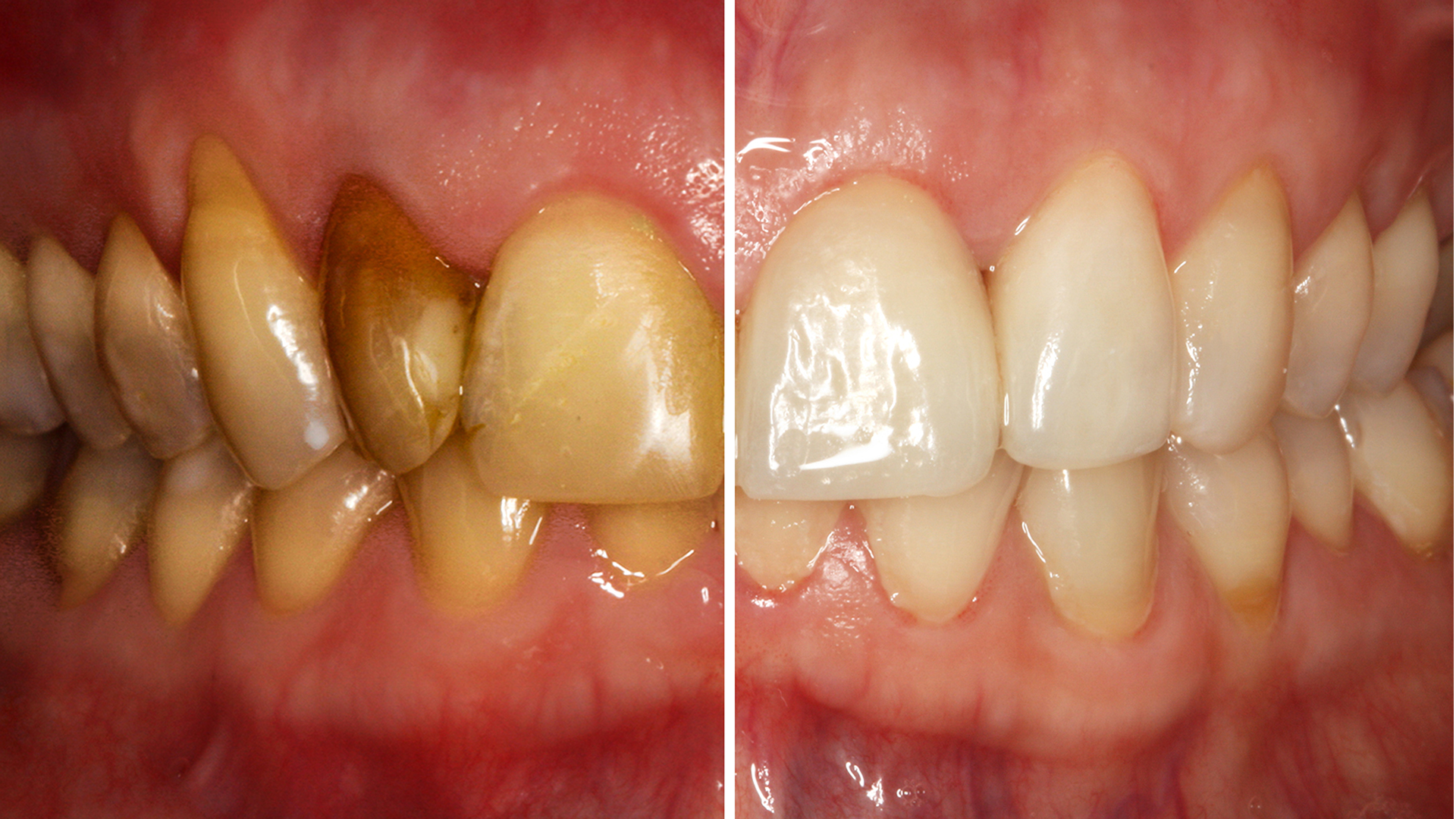
When enamel is weakened or lost, the effects go beyond cavities. Teeth can become sensitive to hot and cold, appear yellowed or stained, and become more prone to chipping or cracking. Once the damage is done, it’s often permanent and costly to repair.
Visible and Invisible Effects of Soda on Your Teeth
The damage soda causes isn’t always obvious right away. Some effects can be seen or felt early on, while others develop gradually and go unnoticed until serious problems arise. Drinking soda can lead to immediate issues like staining, increased sensitivity, and a softening of the enamel. These changes might seem minor at first but can be early warning signs of deeper damage. Over time, regular soda consumption can contribute to tooth decay, gum inflammation, and even tooth loss. Weakened enamel makes teeth more vulnerable to cavities, while sugar and acid can irritate and inflame the gums, increasing the risk of gum disease.
Soda doesn’t only harm your teeth; it can affect the entire mouth. Acidic beverages can disrupt the natural balance of your oral environment, making it harder for your mouth to fight off bacteria. This imbalance can lead to chronic bad breath, inflamed soft tissues, and a higher risk of infections like gingivitis. Over time, even the tongue and inner cheeks can show signs of irritation or sensitivity, especially with frequent exposure.
Soda Compared to Other Beverages: What’s Truly Worse for Your Teeth?
Not all drinks affect your teeth the same way, but many popular options can still do significant harm. While soda is among the worst offenders, it’s not the only one to watch out for. When it comes to acidity and sugar, soda ranks high on the list of harmful beverages. But fruit juices and sports drinks can be just as damaging. Many fruit juices, even those labeled “100% natural,” contain high levels of natural sugars and acids. Sports drinks, often marketed as healthy, are typically acidic and sweetened, making them a hidden risk to enamel as well. In contrast, water contains no sugar, no acid, and helps rinse the mouth, supporting overall oral health.
Water doesn’t just hydrate; it also helps neutralize acids, wash away food particles, and support saliva production, your mouth’s natural defense system. Drinking water throughout the day, especially after meals or sugary drinks, is one of the simplest and most effective ways to protect your teeth.
If you do drink soda, fruit juice, or sports drinks, there are ways to reduce the damage:
- Use a straw to limit contact with teeth.
- Don’t sip over long periods; drink it in one sitting to reduce exposure time.
- Rinse your mouth with water afterward.
- Wait at least 30 minutes before brushing to avoid damaging softened enamel.
Practical Strategies to Minimize Soda’s Damage
While the best choice for your teeth is to avoid soda altogether, many people still enjoy it occasionally. Fortunately, there are ways to reduce its harmful effects. Pay attention to how and when you drink soda. Limit your intake to smaller amounts, and try to consume it during meals rather than sipping throughout the day. Using a straw can also reduce direct contact with your teeth, minimizing enamel exposure to acid and sugar.
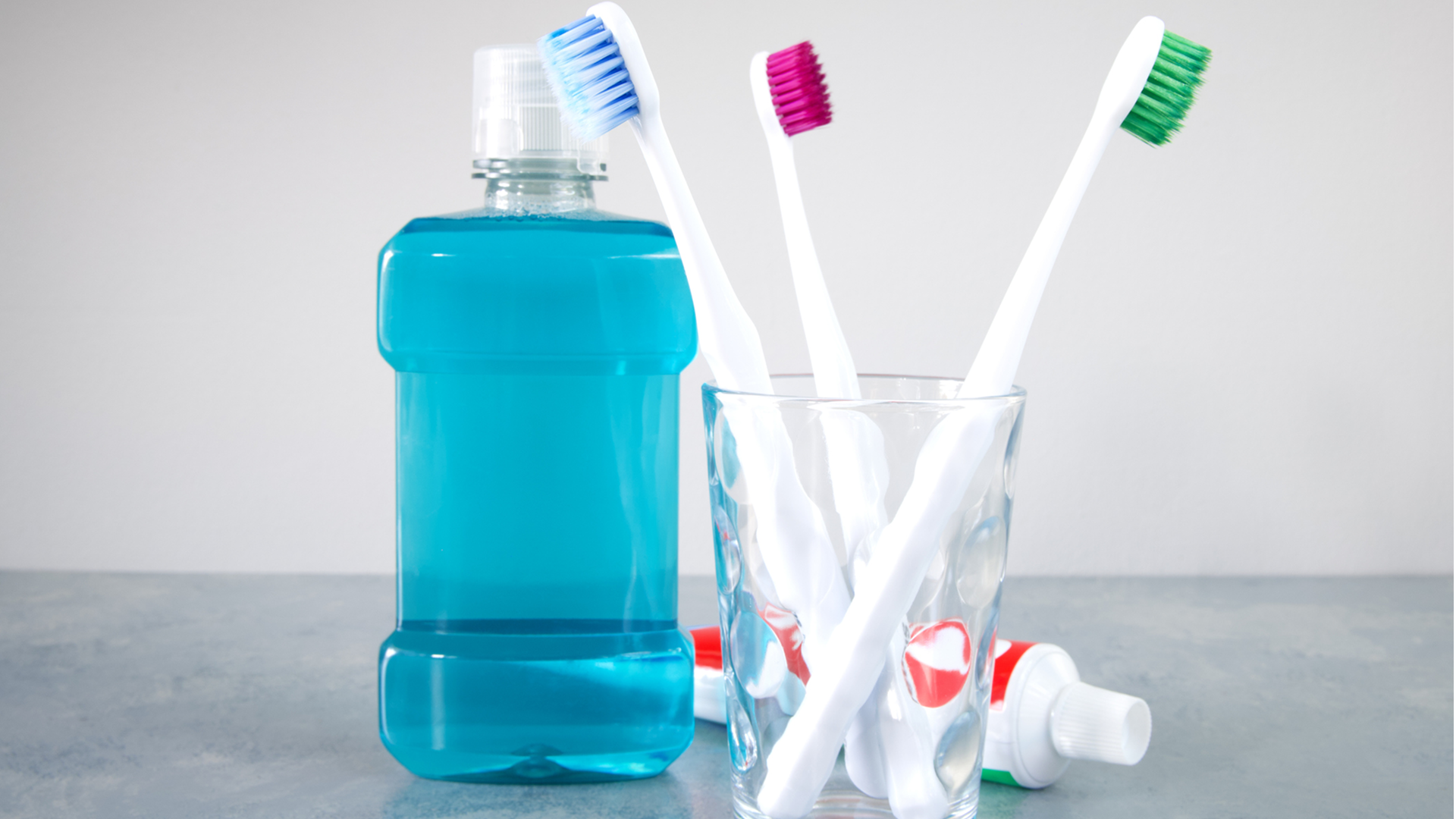
In addition to limiting soda intake, your daily oral hygiene routine plays a crucial role in defending against the damage it can cause. A consistent oral care routine is essential for protecting your teeth. Brush twice daily with fluoride toothpaste to help rebuild enamel, floss regularly to remove plaque, and consider using a fluoride mouthwash. Regular dental checkups allow for early detection and treatment of any damage.
If you want to enjoy flavorful drinks without risking your smile, consider alternatives like sparkling water with a splash of natural fruit juice, herbal teas, or infused water with fresh fruit or herbs. These options offer taste and refreshment without the high acid and sugar levels found in soda.
When Soda Damage Requires Professional Dental Care
Even with the best at-home care, soda can cause damage that requires professional attention. Knowing when to schedule a dental appointment is key to protecting your smile before problems worsen.
Watch for these warning signs: persistent tooth enamel sensitivity, visible staining or discoloration, and any pain or discomfort. These symptoms often indicate enamel erosion, decay, or other issues that need a dentist’s evaluation.
At Optimal Dental Center, we offer a range of preventive and restorative treatments tailored to combat soda-related damage. Preventive options like fluoride treatments and dental sealants can help strengthen weakened enamel and protect against decay. For more advanced cases, restorative solutions such as fillings, bonding, or crowns can repair damaged teeth and restore their function and appearance.
Early intervention not only helps save your natural teeth but can also reduce the need for more extensive and costly procedures down the line. Regular dental visits enable us to detect problems early and create a personalized treatment plan that keeps your smile healthy and strong.
If you notice any signs of soda-related damage or have concerns about your oral health, don’t wait. Schedule a consultation with our team to get expert care and guidance tailored to your needs.
Take Action Today: Safeguard Your Smile from Soda Damage
Soda may be a popular treat, but its impact on your dental health is serious. The combined effects of acid and sugar can weaken enamel, increase sensitivity, and lead to costly dental problems over time. The good news is that small changes like limiting soda intake, using a straw, and maintaining a strong oral care routine can make a significant difference in protecting your smile.
At Optimal Dental Center, we’re here to support you every step of the way. Whether you’re seeking personalized advice on reducing soda’s impact or looking for treatments to repair damage already done, our experienced team is ready to help.
Don’t wait for symptoms to appear. Schedule your checkup today and discover the full range of services designed to keep your teeth healthy, strong, and beautiful for years to come.

Invisalign has totally changed the way people straighten their teeth. No more metal brackets, no annoying wires, just clear, comfy aligners that do the job without making you feel like you have a mouth full of hardware. But here’s the thing, your aligners need to fit just right for them to work properly. If they’re not sitting snugly on your teeth, your treatment could take longer, and let’s be honest, nobody wants that.
And that’s where Invisalign chewies come in! These little squishy foam rollers might not look like much, but they actually make a huge difference. They help push your aligners into place, making sure they fit better and do their job faster. You can think of them like tiny stress balls for your teeth, but trust me, they are super effective.
What Are Invisalign Chewies?
Invisalign chewies might not be the first thing that comes to mind when you think about straightening your teeth, but trust me, they are a game changer. These little squishy tools help close the tiny air gaps between your aligners and teeth, making sure your trays fit snugly and do their job properly. Basically, they help your aligners hug your teeth better, which means a smoother and more effective treatment.
Now, let’s talk about what they are actually made of. They are crafted from a soft, flexible plastic called styrene copolymer, which makes them safe to chew on without damaging your aligners. They are small, about the size of a pencil or a cotton roll, which makes them easy to use and carry around. Some even come in fun flavors, which is great if you are someone who likes a little extra motivation to use them regularly.
How Do Invisalign Chewies Work?
If you are looking for a simple way to make your Invisalign treatment work faster, chewies are your new best friend. These little squishy tools help your aligners fit just right, making sure they are applying the right amount of pressure to your teeth. And when your aligners fit better, your teeth move into place more efficiently, which means you could shave some time off your treatment.
By biting down on them regularly, you are pushing your aligners into the perfect position so they can do their job properly. It is like giving your teeth a little extra nudge in the right direction. So, using chewies daily can help keep your aligners in place and working their magic, which means you might just get to that perfect smile sooner than expected.
How to Use Invisalign Chewies Properly?
Using Invisalign chewies is super easy, and trust me, once you get into the habit, it will feel like second nature. Just pop one between your teeth while you are wearing your aligners and start chewing. Move it around from one side of your mouth to the other, making sure every tooth gets a turn. The goal here is to push your aligners into place so they fit as snugly as possible.
Do this a few times for about 20 seconds each round. And for the best results, try to use your chewies at least twice a day. It might seem like a small thing, but it makes a huge difference in how well your aligners do their job. The better they fit, the more efficiently they can shift your teeth into place. That is the reason why most dentists swear by chewies and recommend using them regularly.
Benefits of Using Invisalign Chewies
Faster, More Predictable Tooth Movement
When your aligners fit snugly against your teeth, they can work the way they’re supposed to. Chewies help make sure that happens by gently pushing the aligners into place. This means your teeth move faster, and you get that beautiful smile sooner.
Better Aligner Fit
Ever notice a little air pocket or gap between your aligners and your teeth? Chewies get rid of that by pushing the aligners closer to your teeth, making sure they fit tightly and do their job. A better fit means your teeth move in the right direction and stay on track.
Clearer Speech
When your aligners fit properly, they don’t mess with your speech. Chewies help make sure your aligners sit securely, so they’re less likely to cause any lisp or awkward sounds while you talk.
More Comfort
Wearing aligners can sometimes feel uncomfortable, especially if they’re not sitting right. Chewies help with that by evenly spreading the pressure across your teeth. This means less irritation, and you can feel more comfortable as your teeth move.
Easy to Carry and Use
Chewies are small and portable, so you can carry them around without a hassle. Toss them in your Invisalign case, your bag, or even your pocket, and you’re good to go. You can use them whenever you have a few free minutes, no matter where you are.
When and How Often Should You Use Chewies?
To get the best results, you’ll want to make chewies a part of your daily routine. Aim for at least twice a day, once in the morning and once in the evening, after you’ve put your aligners in. And if you want to get a little extra out of them, feel free to use them more often. Honestly, the more you use them, the better your aligners will fit, and the faster your treatment will work.
The best time to use chewies is when you’ve got your aligners in, and you’re ready to get them seated just right. After you put your aligners in, pop a chewy between your teeth and bite down on it, working it around from one end of your mouth to the other. It’s kind of like giving your teeth a little push to make sure everything is snug. This helps eliminate those annoying air bubbles and gives you a nice tight fit.
Common Issues with Invisalign Chewies and How to Avoid Them
While Invisalign chewies are a game-changer for most people, there are a few common issues that can come up. Don’t worry, though, because most of them are easy to avoid or fix. So, let’s take a look at some of the typical problems people run into and how you can avoid them, so you can make the most out of your chewies.
Chewies Falling Apart Too Quickly
If your chewies seem to fall apart faster than expected, you’re definitely not alone. This can happen if you’re biting down too hard or using them more than you should. The key here is to be gentle! Because these chewies are designed to help your aligners fit snugly, not to take a full-on bite like you’re chewing gum. So take it easy, bite down gently, and make sure you’re only using them as directed.
Chewies Making Your Teeth Hurt
If you’re feeling discomfort in your teeth while using chewies, it might be because you’re using them too often or for too long. Overusing them or putting too much pressure on your teeth can make them sore or cause irritation in your gums. You need to understand that your teeth are shifting, and adding extra pressure when you don’t need it can make things uncomfortable.
Chewies Getting Lost or Forgotten
It’s easy to forget about your chewies, especially if they’re small and you’re on the go. You might also accidentally lose them while you’re out and about or in between aligner changes. But if you don’t use them consistently, your aligners might not fit as well, and that could slow down your treatment.
Chewies Not Fitting Right
Sometimes, the chewy might not feel like it’s doing its job or could feel uncomfortable in your mouth. Now, this usually happens when you don’t place them in the right spot or use them incorrectly. If you’re trying to use the chewy between the teeth that aren’t really moving, or if you’re not getting the right amount of pressure, it can lead to subpar results.
Not Using Them Enough
Chewies can be super effective, but only if you use them consistently. Skipping days or not using them often enough might cause the fit of your aligners to be a bit off. And if your aligners aren’t fitting well, they won’t apply the right pressure to your teeth, which can slow down your treatment.
Caring for and Replacing Your Invisalign Chewies
Taking care of your Invisalign chewies is pretty simple, but it’s super important for keeping your treatment on track. After each use, make sure to rinse them under lukewarm water to get rid of any food particles or bacteria. And avoid using soap or toothpaste, as they can damage the material. When storing them, keep them in a clean, dry spot, like your Invisalign case, but make sure they’re dry first. Also, be careful not to leave them in places with heat, as that can cause them to warp. With a little care, they’ll last longer and do their job properly.
As for replacing them, you’ll want to swap out your chewies when they start to show signs of wear. If they crack, lose their shape, or start to stink even after cleaning, it’s time for a new set. On average, replacing them about once a month is a good rule of thumb, but if you’re using them more often, you might need to replace them sooner.
Closing Thoughts
Invisalign chewies may seem like a small part of your orthodontic journey, but they play a significant role in ensuring your aligners work effectively. By using them regularly, you can enhance the fit of your aligners, potentially speeding up your treatment and making the process more comfortable.
If you’re currently undergoing Invisalign treatment or considering it, consulting with a professional can help you get the best results. A trained Invisalign provider can guide you on proper chewie usage, monitor your progress, and ensure your aligners are working as effectively as possible.
Book a consultation with an experienced Invisalign provider today and get expert guidance on your journey!
Frequently Asked Questions (FAQS)
What exactly are Invisalign chewies?
Oh, they’re these little soft plastic things that help your aligners fit better by getting rid of air bubbles between your teeth and the aligners. They’re super simple but pretty effective in making sure your aligners do their job and move your teeth the right way.
How do chewies actually help with my Invisalign treatment?
Basically, chewies help your aligners fit more snugly on your teeth. When your aligners fit properly, they can apply the right amount of pressure to move your teeth faster and more efficiently. So, chewies help you get the most out of your treatment!
How often should I use Invisalign chewies?
You’ll want to use them a couple of times a day, ideally after putting in your aligners. Just bite down on them for about 20 seconds on each side to make sure the aligners are seated properly. The more consistent you are, the better the fit.
Do chewies hurt?
Not at all! They’re soft and gentle, so no pain involved. The whole point is to make your aligners fit better without causing discomfort. If you feel any pain while using them, you might need to check your aligners or talk to your dentist.
Can I take chewies on the go?
Yes, you can! They’re small and portable, so you can easily throw them in your case and carry them with you wherever you go. That way, you won’t miss out on using them, whether you’re traveling or just out and about!
